March 19, 2026
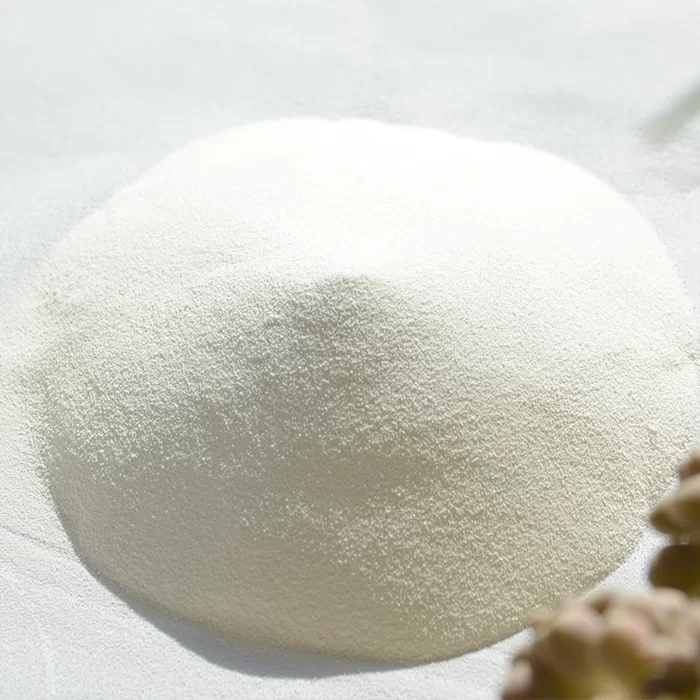
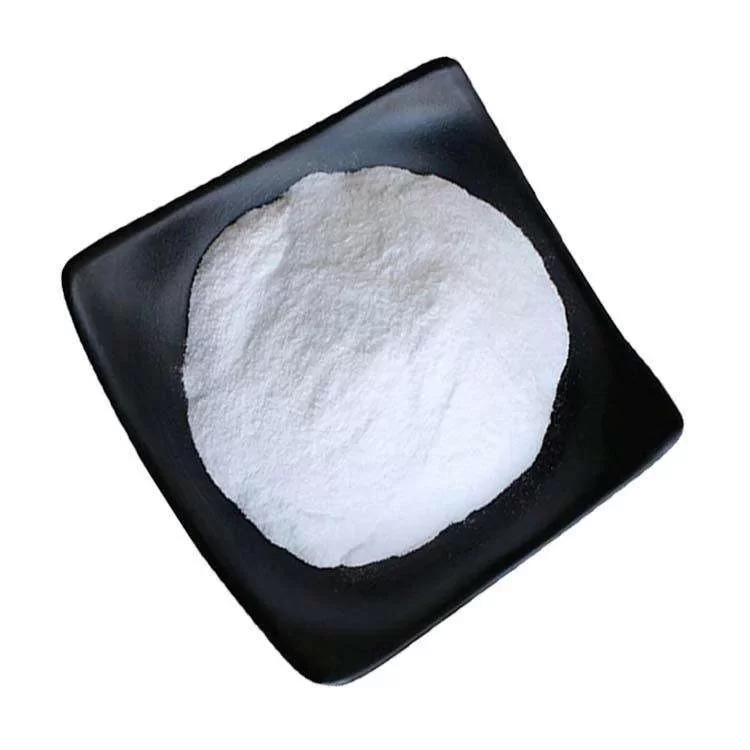
Hydroxypropyl methylcellulose (HPMC) powder is a versatile cellulose ether widely used across various industries, including construction, pharmaceuticals, food, and personal care. Its unique properties, such as thickening, binding, film-forming, and water retention, make it an invaluable ingredient in numerous applications. This article will delve into the characteristics, applications, grades, and benefits of HPMC powder, providing a detailed overview for potential users and industry professionals. Understanding the nuances of HPMC can help you choose the right grade for your specific needs and maximize its performance.

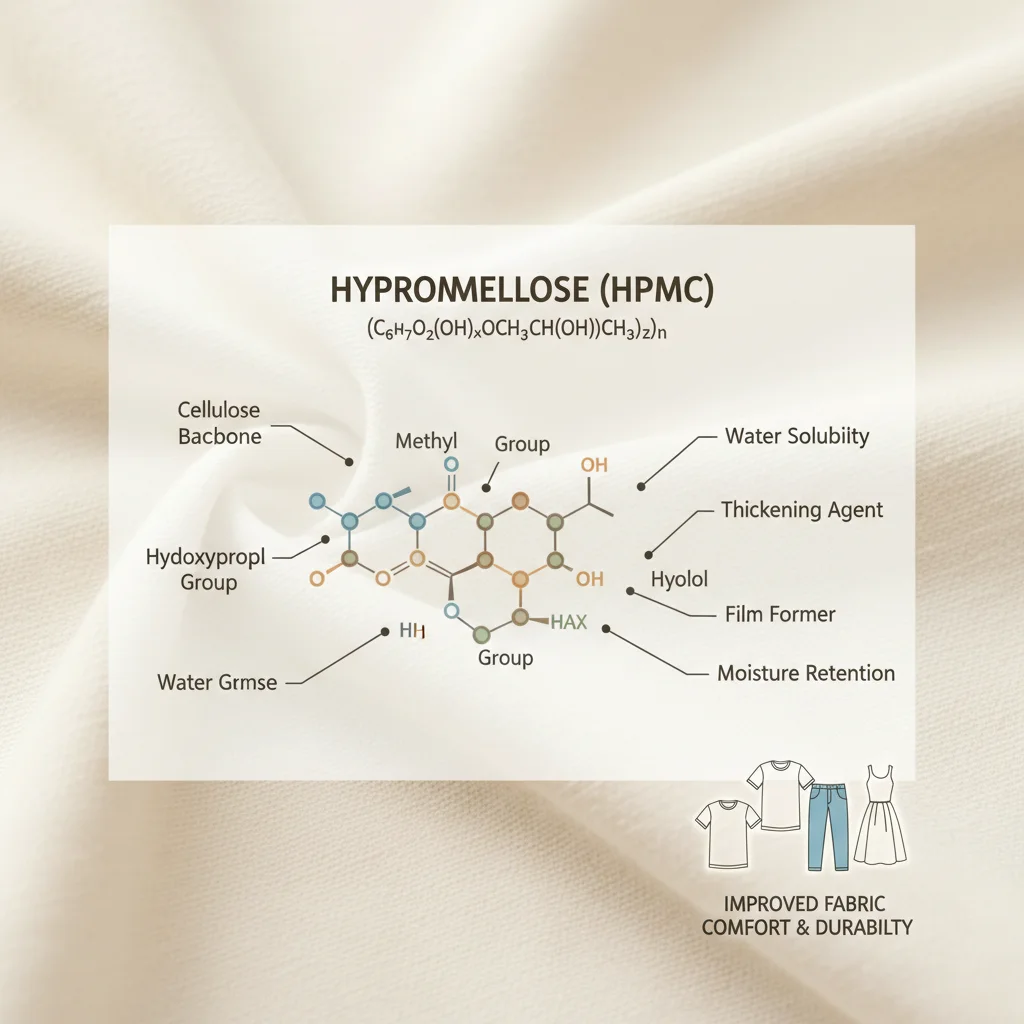
HPMC is a non-ionic cellulose ether produced by chemically modifying cellulose. This modification involves reacting cellulose with methyl chloride and propylene oxide, introducing hydroxypropyl and methyl groups along the cellulose chain. These modifications significantly alter the properties of cellulose, making it water-soluble and imparting functionalities that are highly desirable in many applications. The degree of substitution (DS) of methyl and hydroxypropyl groups determines the specific properties of the resulting HPMC powder, influencing its viscosity, gelation temperature, and water retention capacity. You can explore different HPMC grades on our website.
Key Highlights: HPMC is a non-ionic cellulose ether created through chemical modification, offering water solubility and versatile functionalities like thickening and binding.
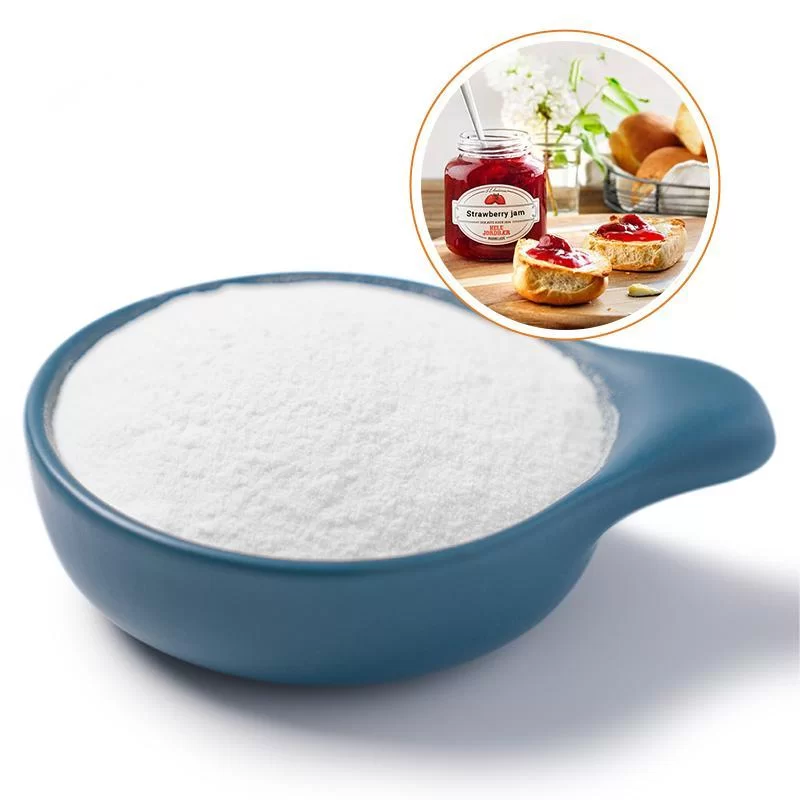
The applications of HPMC are incredibly diverse. In the construction industry, it's a crucial additive in cement-based materials, tile adhesives, and renders, enhancing workability, water retention, and adhesion. The pharmaceutical sector utilizes HPMC as a binder, film-coating agent, and controlled-release matrix in tablets and capsules. In the food industry, HPMC functions as a thickener, stabilizer, and emulsifier in sauces, desserts, and baked goods. Personal care products benefit from HPMC's thickening and film-forming properties in creams, lotions, and shampoos. Its broad compatibility and non-toxicity make it a favored ingredient across many sectors.
Key Application Areas:
• Construction: Tile adhesives, cement renders, self-leveling compounds
• Pharmaceuticals: Tablet coating, controlled-release formulations
• Food: Thickening, stabilization, emulsification
• Personal Care: Creams, lotions, shampoos
HPMC powder is available in various grades, categorized by viscosity, particle size, and gelation temperature. Viscosity, measured in centipoise (cP), determines the thickening ability of the powder. Lower viscosity grades are suitable for applications requiring thin consistency, while higher viscosity grades provide greater thickening power. Particle size influences the dissolution rate and texture of the final product. Gelation temperature indicates the temperature at which the HPMC solution begins to gel, a critical parameter in controlled-release applications. Choosing the right grade is essential for optimal performance.
Utilizing HPMC powder offers numerous advantages. It improves the workability and adhesion of construction materials, resulting in easier application and enhanced performance. In pharmaceuticals, it enables the creation of stable and effective drug delivery systems. In the food industry, it enhances texture, stability, and shelf life. Furthermore, HPMC is non-toxic, odorless, and tasteless, making it safe for use in a wide range of products. It's also biodegradable, contributing to environmentally friendly formulations. Consider contacting us for a consultation to determine the best HPMC grade for your needs.

Ensuring the quality of HPMC powder is paramount. Reputable suppliers like TJ HPMC adhere to stringent quality control measures throughout the manufacturing process, guaranteeing consistent product performance and purity. Look for suppliers who provide certificates of analysis (COA) verifying the key specifications of each batch. Factors such as particle size distribution, viscosity, and moisture content should be carefully monitored. Sourcing from a reliable supplier ensures you receive a high-quality product that meets your specific requirements and industry standards.
Hydroxypropyl methylcellulose powder is a remarkably versatile ingredient with applications spanning diverse industries. Its unique properties and customizable grades make it an indispensable component in countless formulations. By understanding its characteristics and selecting the right grade from a trusted supplier like TJ HPMC, you can unlock its full potential and achieve optimal results in your products.
When stored properly in a cool, dry place, away from direct sunlight and moisture, HPMC powder typically has a shelf life of 2-3 years. However, it’s crucial to check the manufacturer's specifications on the packaging for the exact expiration date. Degradation can occur if exposed to humidity or high temperatures, leading to changes in viscosity and performance. Proper storage ensures the powder retains its original properties.
Yes, HPMC is generally recognized as safe (GRAS) by regulatory bodies like the FDA for use in food applications. It’s non-toxic and doesn’t contribute to caloric value. However, it's essential to use food-grade HPMC specifically manufactured for food applications and adhere to the recommended usage levels outlined in food safety regulations. Always ensure the HPMC meets the required purity standards.
Determining the correct viscosity grade depends on the desired thickening effect and application. For thin liquids like coatings, a low-viscosity grade (5-15 cP) is suitable. For thicker applications like adhesives or gels, a medium (20-30 cP) or high-viscosity grade (40-100 cP) is needed. Conducting small-scale trials with different grades is highly recommended to optimize performance. Consulting with a technical expert can also provide valuable guidance.
Yes, HPMC can be effectively used in combination with other cellulose ethers, such as methylcellulose (MC) or carboxymethylcellulose (CMC), to achieve synergistic effects. Combining different cellulose ethers allows for fine-tuning of properties like viscosity, water retention, and film formation. The specific combination will depend on the desired outcome and the application requirements.
Hit enter to search or ESC to close