March 12, 2026
Hydroxypropyl methylcellulose (HPMC) is a versatile polymer derived from cellulose, widely used across diverse industries including pharmaceuticals, food, construction, and cosmetics. Its unique properties, such as thickening, binding, film-forming, and water retention, make it an invaluable ingredient in countless applications. This article provides an in-depth exploration of HPMC, its characteristics, manufacturing, applications, and considerations for sourcing a reliable supplier. We will delve into the benefits of using high-quality HPMC from TJHPMC for optimal results.
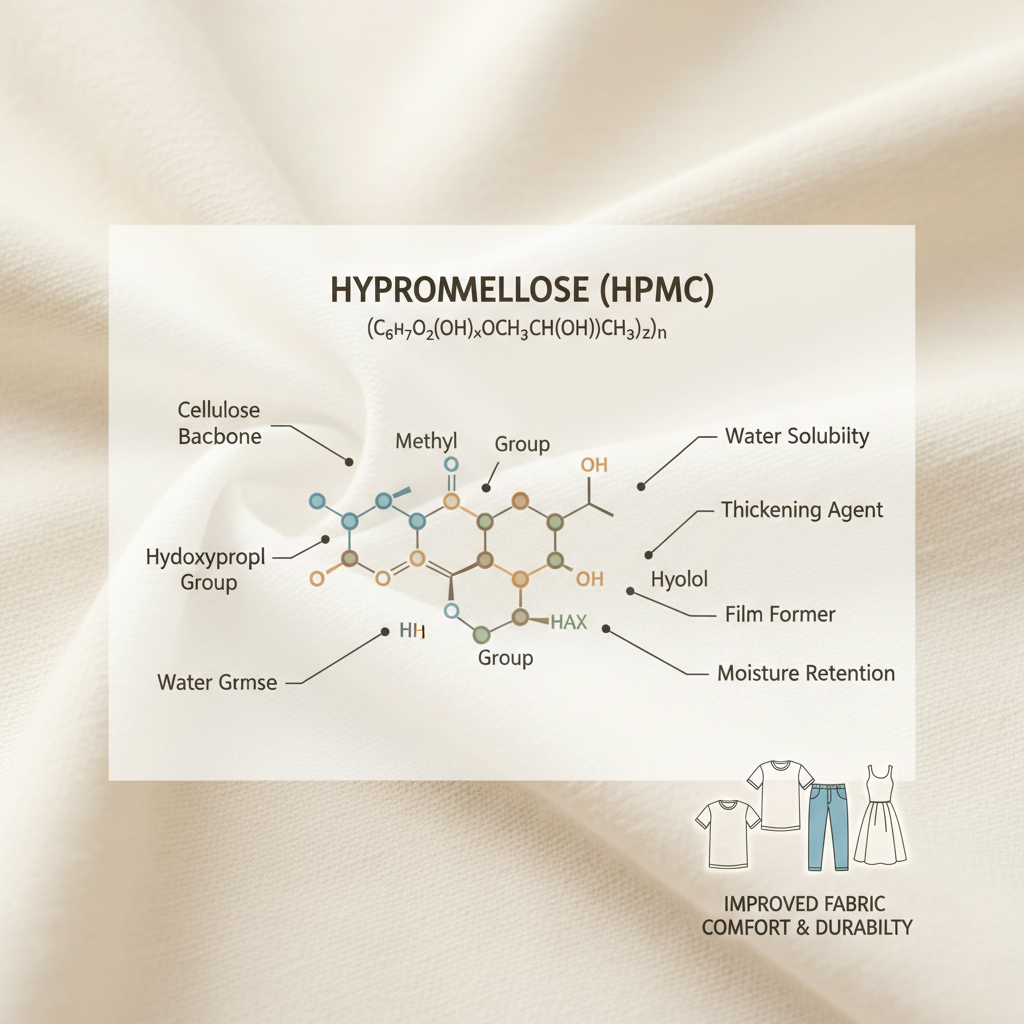
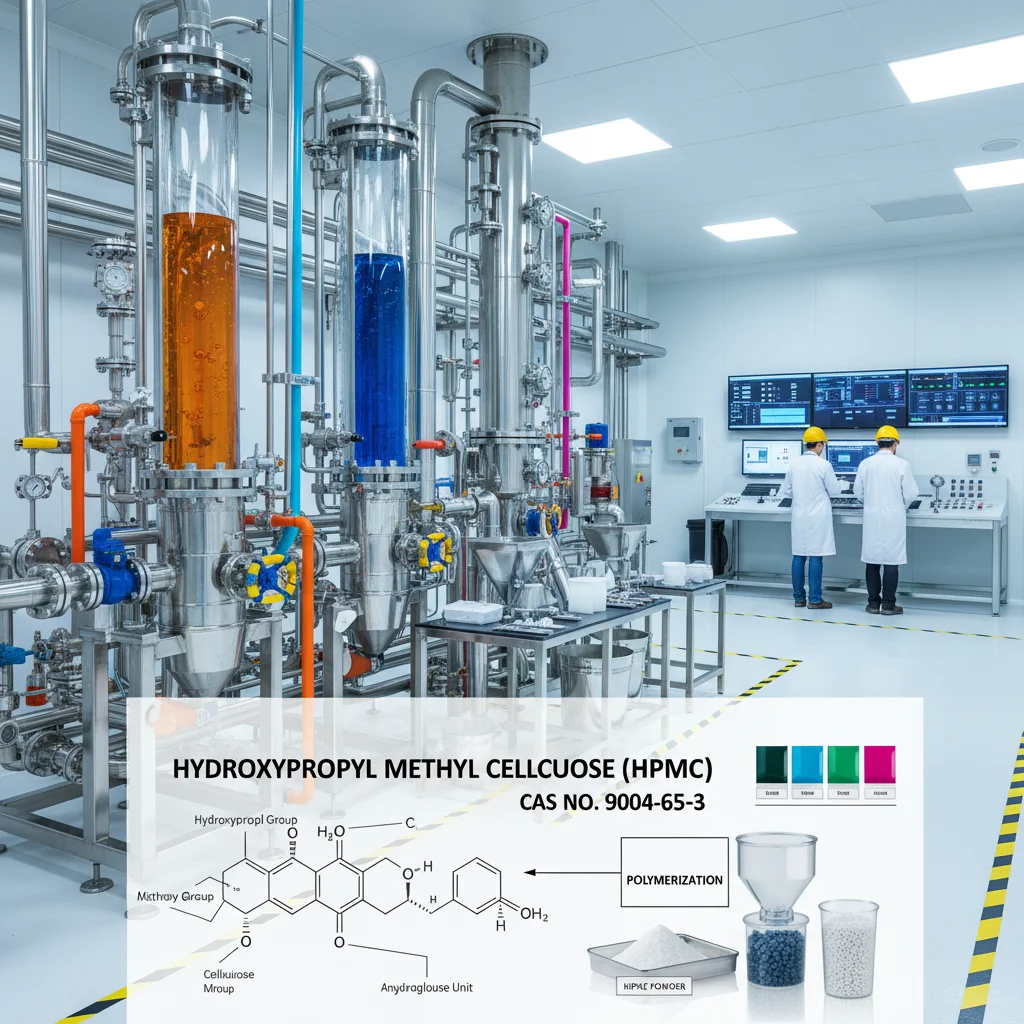
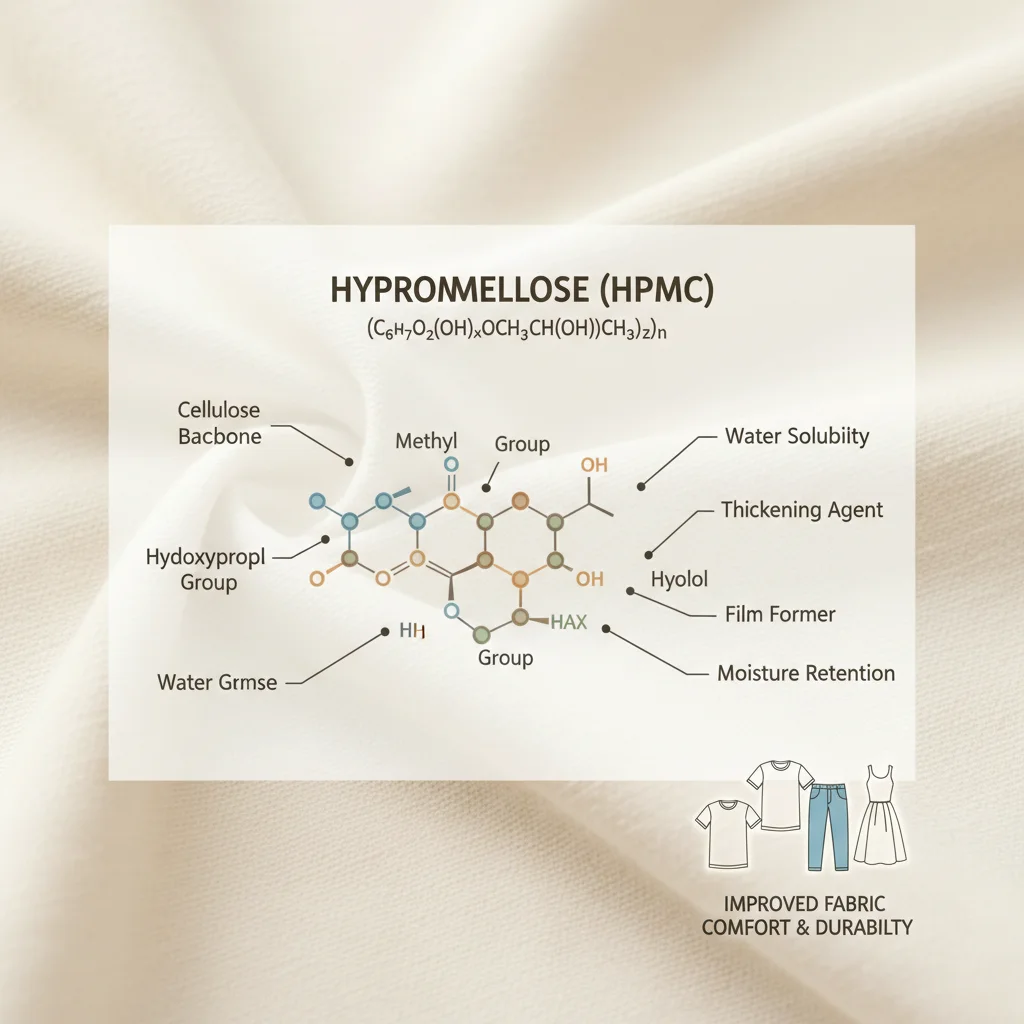
HPMC is a non-ionic, semi-synthetic polymer produced by chemically modifying cellulose, typically derived from wood pulp or cotton linter. The modification involves the introduction of hydroxypropyl and methyl groups, which enhance its water solubility and alter its rheological properties. This makes HPMC highly adaptable for various applications. It's known for its excellent biocompatibility, making it safe for use in pharmaceutical and food products. The level of substitution (degree of methylation and hydroxypropylation) directly influences its properties, like viscosity, gelation temperature, and solubility. Selecting the appropriate grade of HPMC is crucial for achieving desired performance.
Key Highlights: Excellent biocompatibility, versatile rheological properties, and customizable through degree of substitution. Widely used in pharmaceuticals, food, and construction.
HPMC is available in various grades categorized by their viscosity, particle size, and gelation temperature. Viscosity, measured in centipoise (cP), determines the thickening effect. Lower viscosity grades are ideal for coatings and thin films, while higher viscosity grades are preferred for applications requiring substantial thickening, such as adhesives and mortars. Particle size impacts dissolution rate, with finer particles dissolving faster. Gelation temperature refers to the temperature at which the HPMC solution transitions from a liquid to a gel, a critical property in controlled-release pharmaceutical formulations. TJHPMC offers a wide range of grades to meet specific application needs.
HPMC Grade Applications:
• Pharmaceuticals: Controlled-release matrices, tablet coatings, viscosity enhancers.
• Food: Thickener, stabilizer, emulsifier, fat replacer.
• Construction: Cement-based mortars, tile adhesives, self-leveling compounds.
• Cosmetics: Thickening agent, film former, stabilizer.
HPMC offers numerous advantages making it a preferred choice in many formulations. These include excellent film-forming capabilities, providing strong and flexible coatings. Its superior water retention properties prevent premature drying in construction materials, enhancing workability and bond strength. HPMC is also a non-toxic and odorless material. Crucially, it exhibits thermo-reversible gelation, meaning it forms a gel when heated and reverts to a liquid upon cooling, enabling its use in specialized applications like hot-melt adhesives. Furthermore, it offers good compatibility with other polymers and additives.
Selecting a reputable HPMC supplier is vital for ensuring product quality, consistency, and regulatory compliance. Look for suppliers with robust quality control systems, including rigorous testing procedures and adherence to international standards like USP, EP, and CP. Consider the supplier's manufacturing capabilities, technical support, and ability to provide custom solutions. TJHPMC is a leading manufacturer committed to providing high-quality HPMC with comprehensive technical support and reliable supply chain management.
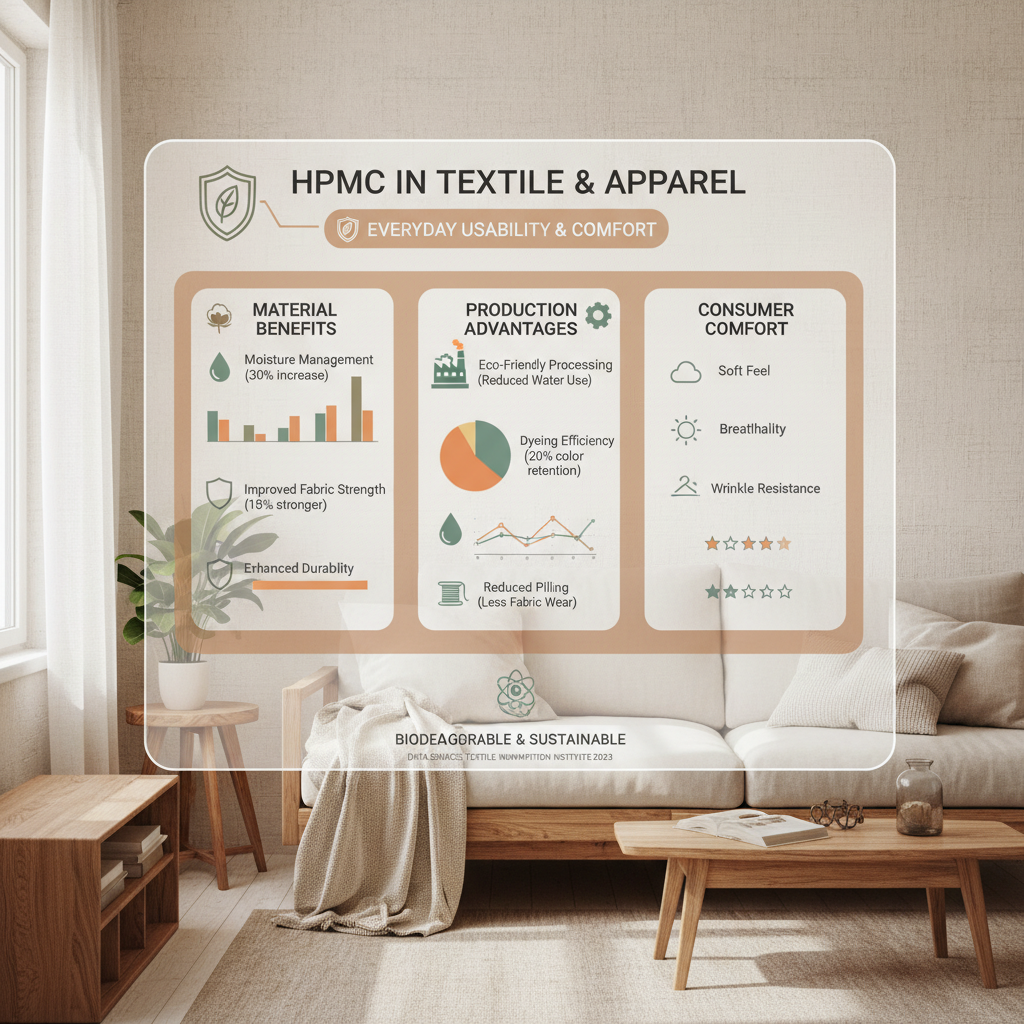
The future of HPMC is bright, with ongoing research and development focused on enhancing its properties and expanding its applications. Areas of innovation include developing HPMC with improved water solubility, controlled release characteristics, and biocompatibility. Furthermore, sustainable sourcing of cellulose and environmentally friendly manufacturing processes are gaining increasing importance. As industries continue to seek sustainable and high-performing materials, HPMC is poised to play an even more significant role.
HPMC is a remarkably versatile polymer with a wide range of applications across numerous industries. Its unique properties, combined with the availability of diverse grades, make it an indispensable ingredient in countless formulations. By partnering with a reliable supplier like TJHPMC, businesses can ensure access to high-quality HPMC and expert technical support.
The viscosity of HPMC solutions is influenced by several factors, including the molecular weight of the polymer, its concentration in the solution, the temperature, and the presence of salts or other additives. Higher molecular weight HPMC generally results in higher viscosity. Increasing the concentration of HPMC also increases viscosity, while higher temperatures typically decrease viscosity. The addition of salts can significantly affect viscosity, with some salts causing thickening and others causing thinning. Understanding these factors is crucial for formulating HPMC solutions with desired rheological properties.
While HPMC is derived from a natural source (cellulose), its biodegradability is complex and depends on the specific conditions. HPMC is generally considered to be slowly biodegradable under certain conditions, particularly in soil and compost environments. However, its biodegradation rate is slower than that of naturally occurring cellulose. The degree of substitution (methylation and hydroxypropylation) also affects its biodegradability. Research is ongoing to enhance the biodegradability of HPMC through enzymatic degradation and other methods.
HPMC should be stored in a cool, dry place, protected from direct sunlight and moisture. Exposure to humidity can cause the HPMC to absorb water and clump together, affecting its dissolution properties. It's best to store HPMC in its original, sealed container. Properly stored HPMC can maintain its quality and performance for several years. Avoid storing near strong oxidizing agents or other incompatible materials.
Yes, HPMC is widely used in vegan and vegetarian food products as a thickening agent, stabilizer, and emulsifier. It's derived from cellulose, which is plant-based, making it suitable for these applications. It's often used as a substitute for animal-derived ingredients like gelatin. HPMC is considered a safe and acceptable ingredient in vegan and vegetarian diets.
Hit enter to search or ESC to close