March 31, 2026
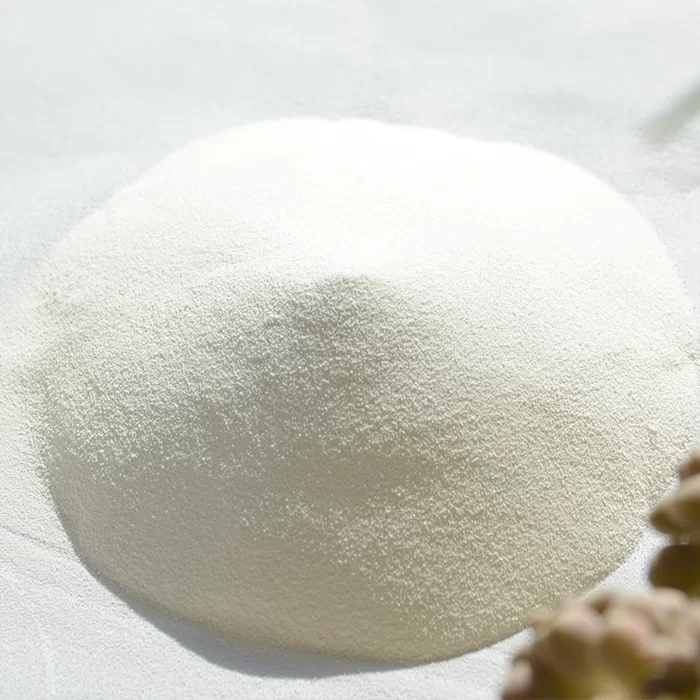
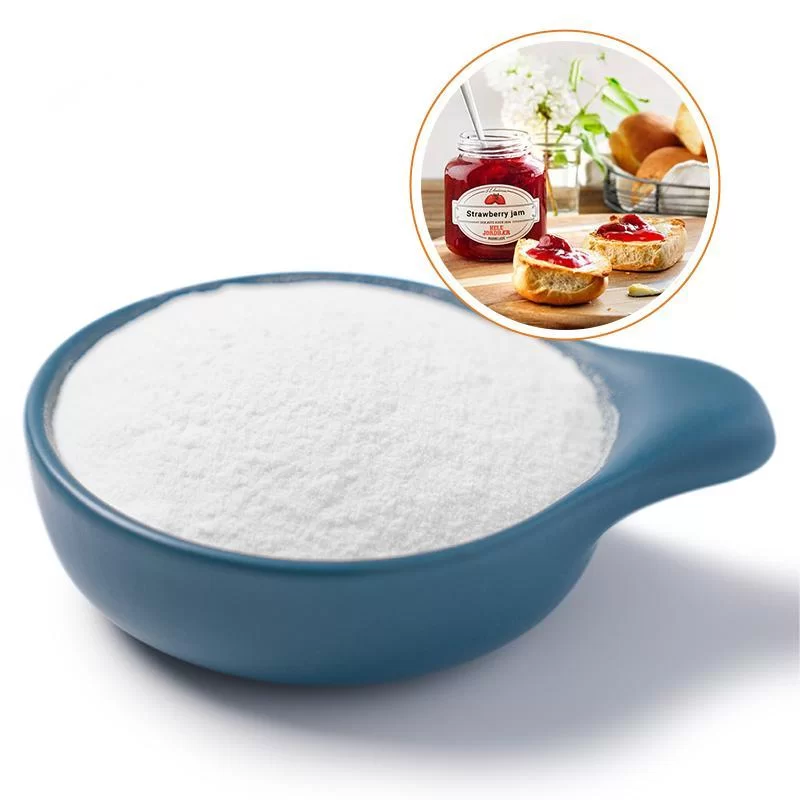
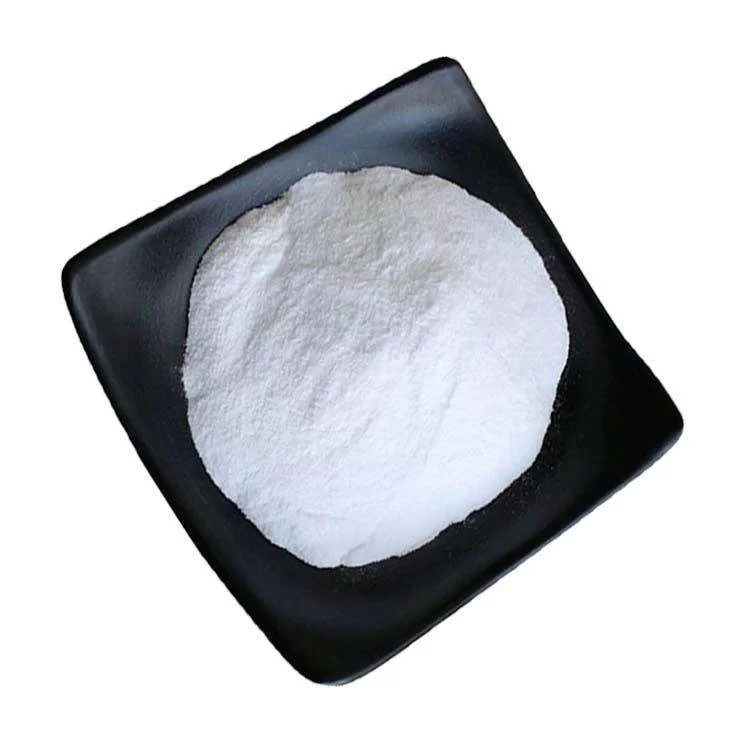
Hydroxy Methyl Propyl Cellulose (HPMC) is a versatile cellulose ether widely utilized across numerous industries, from construction and pharmaceuticals to food and cosmetics. Its unique properties, including thickening, binding, film-forming, and water retention, make it an invaluable ingredient in diverse applications. Understanding its characteristics and benefits is crucial for optimizing formulations and achieving desired product performance. We at Tianjin Jingyuan HPMC specialize in providing high-quality HPMC tailored to meet specific industry needs.

Hydroxy Methyl Propyl Cellulose (HPMC) is a non-ionic cellulose ether derived from cellulose, a natural polymer found in plants. It's created through a chemical modification process involving methylation and propoxylation of cellulose. This process imparts several desirable properties, including excellent water solubility, thickening capability, and thermal gelation. HPMC is available in various viscosity grades, particle sizes, and substitution levels, allowing for customization based on specific application requirements. Its primary role is to enhance product stability, improve texture, and control rheology in diverse formulations.
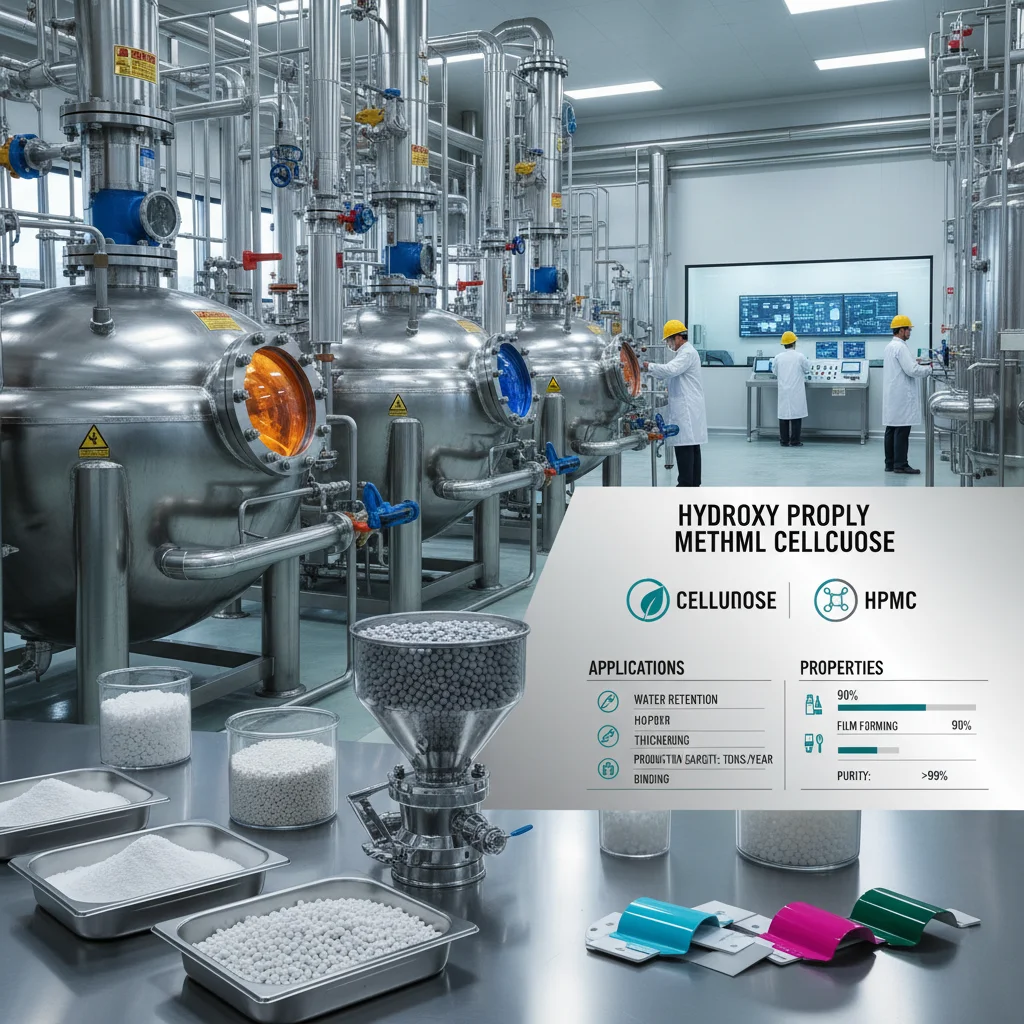
HPMC boasts a remarkable array of properties that contribute to its widespread use. These include: Thickening: HPMC effectively increases the viscosity of aqueous solutions, providing desired consistency. Water Retention: It prevents moisture loss, crucial in applications like construction materials and adhesives. Film Formation: HPMC forms clear, flexible films, useful in coatings and packaging. Binding: It acts as a strong binder, holding ingredients together in tablets, granules, and ceramics. Thermal Gelation: HPMC solutions gel upon heating, reversible upon cooling – important in food applications. Surface Activity: Improves wetting and dispersion of powders in liquids. Chemical Stability: Resistant to degradation under various conditions.
Key Highlights: HPMC provides excellent thickening, water retention, film-forming, and binding properties, making it a versatile additive across many industries.
HPMC is categorized based on its viscosity, which directly impacts its thickening ability. Different viscosity grades are suited for specific applications. Lower viscosity grades are ideal for coatings and thin films, while higher viscosity grades are preferred for thicker formulations like adhesives and mortars. Furthermore, HPMC is available with varying degrees of substitution (DS) of hydroxy methyl and hydroxy propyl groups, influencing its solubility, gelation temperature, and water retention capacity. Tianjin Jingyuan HPMC offers a wide range of grades to meet diverse industrial demands.
The versatility of HPMC extends across a vast range of industries. In the Construction Industry, it’s a key ingredient in cement-based products, tile adhesives, and self-leveling compounds, enhancing workability and water retention. The Pharmaceutical Industry employs HPMC as a binder, film-former, and controlled-release agent in tablets and capsules. The Food Industry utilizes its thickening and stabilizing properties in sauces, desserts, and baked goods. In the Cosmetics Industry, HPMC functions as a thickener, emulsifier, and film-former in creams, lotions, and shampoos. It's also increasingly used in Ceramics as a binder and plasticizer.
While various cellulose ethers exist, each offers unique characteristics. Methyl Cellulose (MC) provides excellent water retention but lacks the thermal gelation properties of HPMC. Ethyl Cellulose (EC) is hydrophobic and less soluble in water. Carboxymethyl Cellulose (CMC) exhibits good thickening but can be sensitive to salt content. HPMC strikes a balance, offering a combination of desirable properties – good water solubility, thickening, thermal gelation, and film-forming capabilities – making it a preferred choice for a wider range of applications. Contact Tianjin Jingyuan HPMC for expert advice on selecting the optimal cellulose ether for your specific needs.
Hydroxy Methyl Propyl Cellulose is a remarkably versatile polymer offering a unique combination of properties that make it essential across numerous industries. From enhancing construction materials to improving pharmaceutical formulations and enriching food products, HPMC plays a critical role in optimizing performance and achieving desired results. Tianjin Jingyuan HPMC is your trusted partner for high-quality HPMC solutions, tailored to meet your specific requirements.
When stored correctly in a cool, dry place, away from direct sunlight and excessive heat, HPMC typically has a shelf life of 2-3 years. It's essential to keep the packaging tightly sealed to prevent moisture absorption, which can affect its performance. Always refer to the manufacturer’s certificate of analysis (COA) for specific storage and expiry date information. Degradation can manifest as changes in viscosity or solubility.
Yes, HPMC is generally recognized as safe (GRAS) by the FDA for use in food applications. It's widely used as a food additive to improve texture, stability, and shelf life. However, the specific grade of HPMC used must be food-grade and comply with relevant regulations and purity standards. Tianjin Jingyuan HPMC offers a range of food-grade HPMC products suitable for various food applications.
The appropriate viscosity grade depends on the desired properties of your final product. Higher viscosity grades provide greater thickening, while lower viscosity grades are suitable for thinner formulations. Consider factors like the required flow characteristics, application method, and desired texture. Conducting small-scale trials with different viscosity grades is recommended to determine the optimal choice. Our team at Tianjin Jingyuan HPMC can assist you in selecting the most suitable grade for your needs.
Hit enter to search or ESC to close