February 27, 2026
Hydroxypropyl Methylcellulose (HPMC) is a versatile cellulose ether widely utilized across numerous industries. From construction and pharmaceuticals to food and cosmetics, its unique properties make it an invaluable ingredient. This article provides a detailed overview of HPMC, its applications, benefits, and considerations when selecting the right grade for your specific needs. We will explore why Tianjin Jianhai HPMC is a trusted supplier for high-quality HPMC.
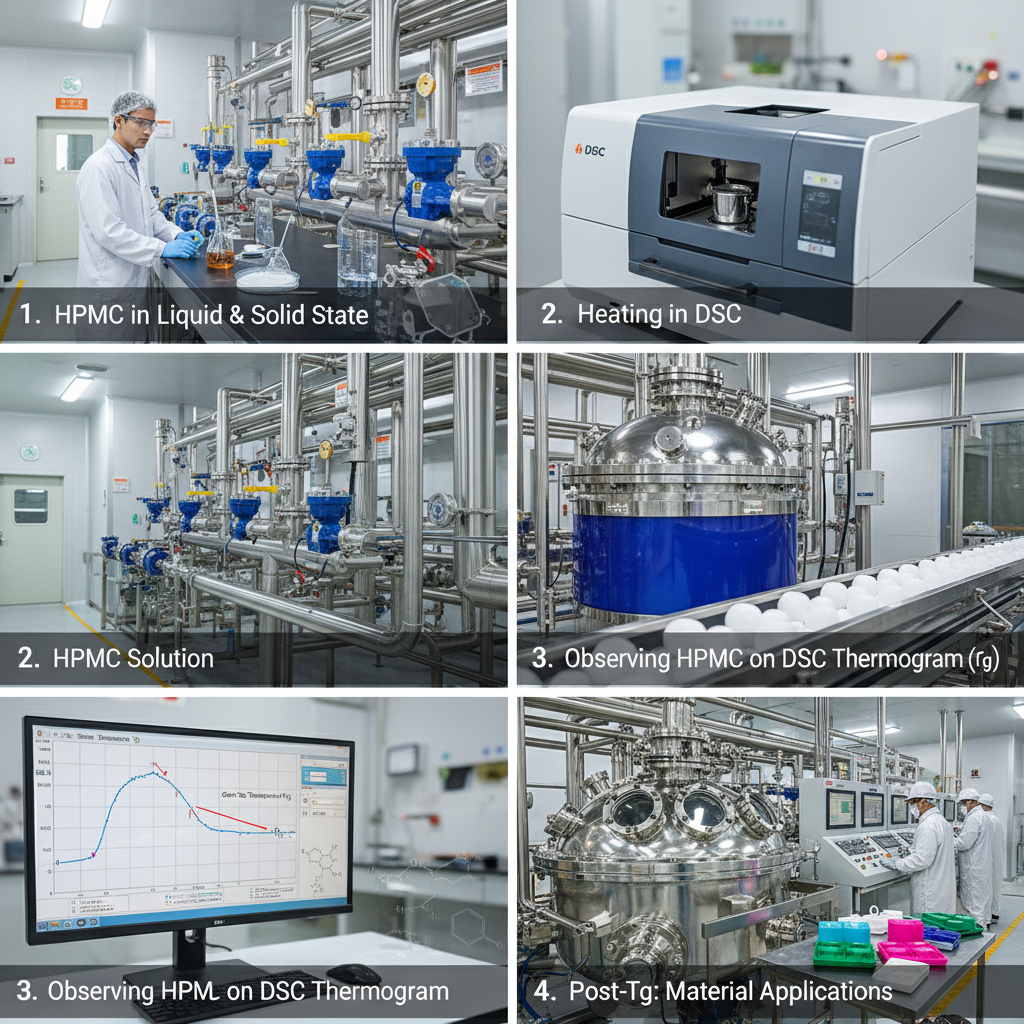
HPMC is derived from cellulose, a natural polymer found in plant cell walls. The process involves modifying cellulose through chemical reactions with methyl chloride and propylene oxide. This etherification introduces hydroxypropyl and methyl groups onto the cellulose backbone, resulting in a polymer with enhanced water solubility and thickening capabilities. The degree of substitution (DS) – the average number of substituent groups per anhydroglucose unit – significantly influences HPMC’s properties. Higher DS generally leads to increased water solubility and lower gelation temperatures. Tianjin Jianhai HPMC offers a range of HPMC grades with varying DS to meet diverse application requirements.
Key Highlights: HPMC is a non-ionic, water-soluble polymer derived from cellulose, offering excellent thickening, binding, film-forming, and emulsifying properties.
HPMC’s versatility is reflected in its broad spectrum of applications. In the construction industry, it's used as a thickener in cement-based products, enhancing workability and water retention. Pharmaceutical formulations utilize HPMC as a binder, film-coating agent, and controlled-release matrix. The food industry employs it as a thickener, stabilizer, and emulsifier in sauces, dressings, and baked goods. Cosmetics benefit from its film-forming and thickening properties in creams, lotions, and shampoos. Choosing the correct viscosity and particle size is key to optimal performance.
HPMC Application Breakdown:
• Construction: Tile adhesives, cement mortars, self-leveling compounds
• Pharmaceutical: Tablet coatings, sustained-release matrices, ophthalmic solutions
• Food: Sauces, dressings, bakery products, dairy alternatives
• Cosmetics: Creams, lotions, shampoos, conditioners
Selecting the appropriate HPMC grade is crucial for achieving desired performance. HPMC is categorized based on its viscosity (measured in centipoise – cP) and degree of substitution (DS). Viscosity determines the thickening power, while DS impacts solubility and gelation temperature. Lower viscosity grades are suitable for applications requiring easy flow, while higher viscosity grades provide greater thickening and suspension capabilities. Tianjin Jianhai HPMC provides detailed technical data sheets for each grade, aiding in informed selection.
HPMC offers a multitude of benefits, including excellent thickening efficiency, improved water retention, enhanced adhesion, and thermal stability. It is also odorless, tasteless, and non-toxic, making it suitable for use in food and pharmaceutical applications. Its film-forming properties contribute to surface protection and moisture control. Furthermore, HPMC is compatible with a wide range of other ingredients, allowing for flexible formulation options. Choosing a reliable supplier like Tianjin Jianhai HPMC ensures consistent quality and reliable supply.
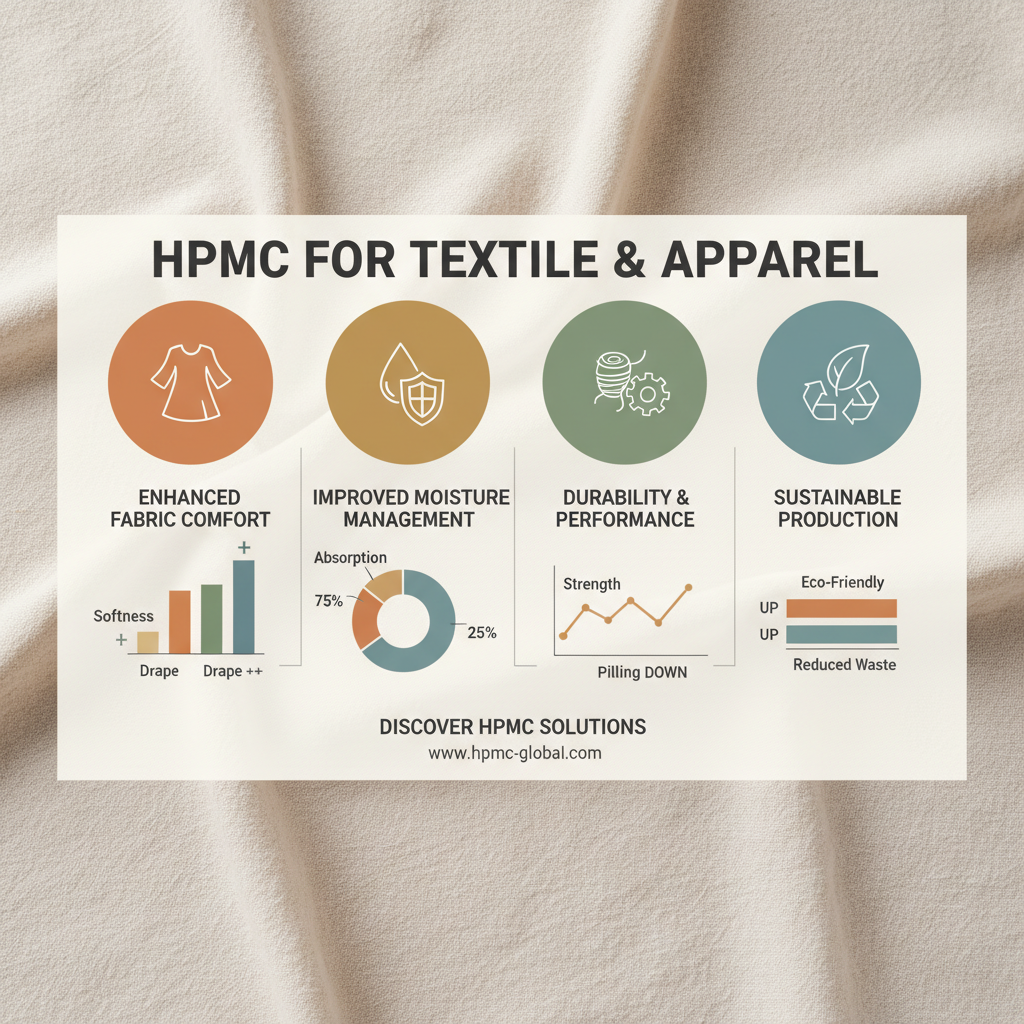
Proper storage and handling are essential to maintain HPMC's quality and performance. It should be stored in a cool, dry place away from direct sunlight and moisture. Avoid exposure to high temperatures and humidity, as these can cause degradation. When handling HPMC, it is recommended to use a dust mask to prevent inhalation. Always refer to the safety data sheet (SDS) for detailed handling instructions. Tianjin Jianhai HPMC provides comprehensive SDS documentation with every product.
HPMC is a highly versatile polymer with a wide range of applications across numerous industries. Understanding its properties, grades, and proper handling techniques is crucial for achieving optimal results. By partnering with a reputable supplier like Tianjin Jianhai HPMC, you can ensure access to high-quality HPMC and expert technical support.
Typically, HPMC has a shelf life of 2-3 years when stored correctly in a cool, dry environment, away from direct sunlight and moisture. However, it’s important to check the specific expiration date provided on the product packaging. After the expiration date, the HPMC may experience reduced functionality. Proper storage is key to maintaining its performance characteristics. Always inspect the material visually before use, looking for any signs of clumping or discoloration, which could indicate degradation.
While HPMC is derived from a natural source (cellulose), its biodegradability is limited. The chemical modification process involved in producing HPMC reduces its susceptibility to microbial degradation. However, it is considered more environmentally friendly than many synthetic polymers. Under specific composting conditions, some degradation may occur, but it’s not readily biodegradable in typical landfill environments.
The degree of substitution (DS) refers to the average number of methyl and hydroxypropyl groups attached to each anhydroglucose unit in the cellulose polymer. A higher DS generally results in increased water solubility and a lower gelation temperature. This means that HPMC with a higher DS will dissolve more easily in water and form a gel at a lower temperature. The DS is a critical factor to consider when selecting HPMC for specific applications.
Hit enter to search or ESC to close