January 22, 2026
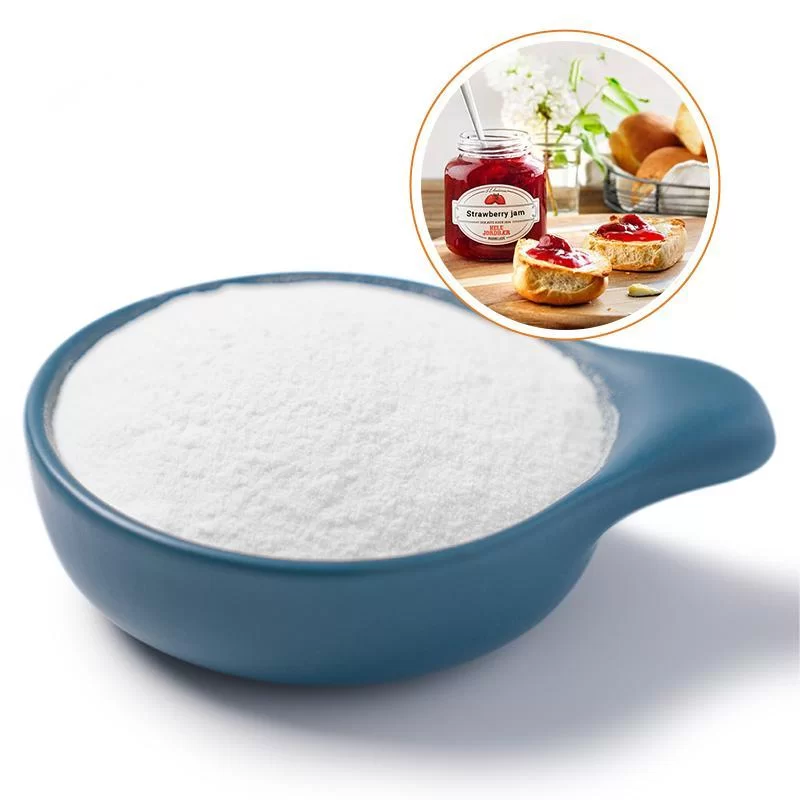
In the modern pharmaceutical landscape, the demand for high-quality excipients has never been higher. Among the various polymers used in drug formulation, Hydroxypropyl Methylcellulose (HPMC) stands out as one of the most versatile and essential components. As a semi-synthetic, inert, viscoelastic polymer, HPMC serves as a critical building block for both solid and liquid dosage forms.
Finding a reliable HPMC supplier is not merely a procurement task; it is a strategic decision that impacts the safety, efficacy, and stability of a pharmaceutical product.
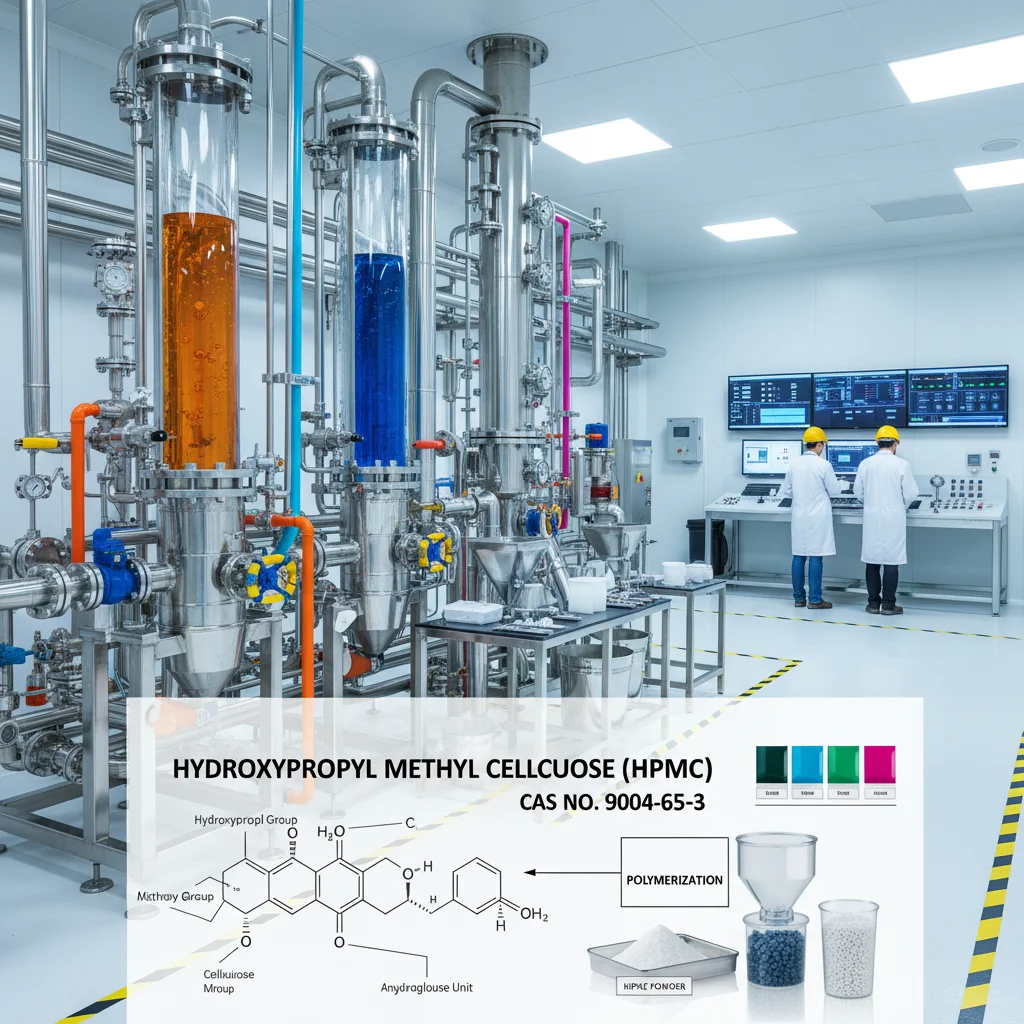
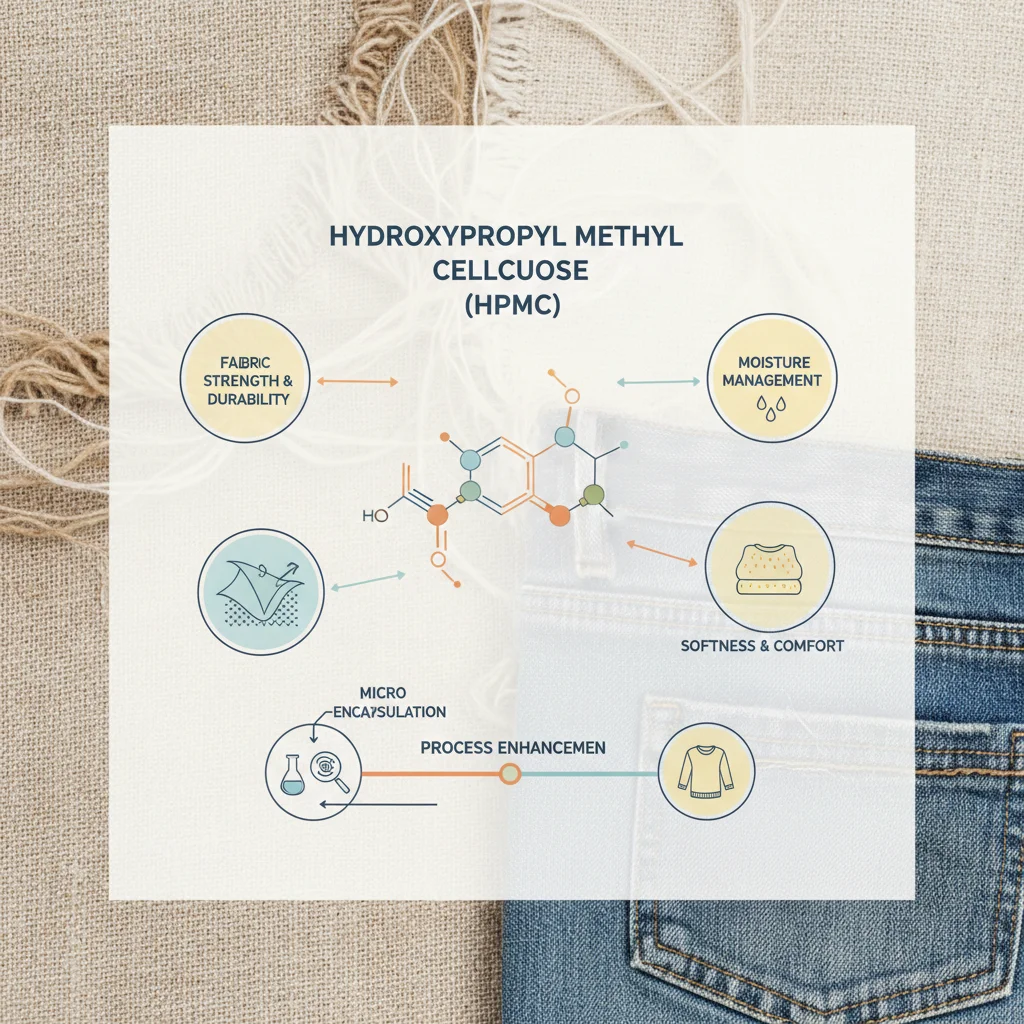
HPMC, or hydroxypropyl methylcellulose, is a cellulose ether where some of the hydroxyl groups of the cellulose have been substituted with methyl and hydroxypropyl groups. It is derived from natural polymer cellulose, typically sourced from wood pulp or cotton linters. Through a process called etherification, the cellulose is treated with caustic soda and then reacted with methyl chloride and propylene oxide.
The resulting polymer is non-ionic, water-soluble, and possesses unique thermal gelation properties. In the pharmaceutical industry, HPMC is prized for its ability to modify the release of active pharmaceutical ingredients (APIs), act as a binder, and provide a protective coating for tablets.
When a pharmaceutical company looks for an HPMC supplier, they are looking for more than just a chemical manufacturer. They are looking for a partner that understands the stringent regulatory environment of the healthcare industry.
A reputable supplier must provide:
Consistency: Batch-to-batch uniformity is vital. Even minor variations in viscosity or substitution levels can alter the dissolution profile of a drug.
Purity: Excipients must be free from contaminants, heavy metals, and microbial growth.
Documentation: Comprehensive support, including Drug Master Files (DMF), Certificates of Analysis (CoA), and compliance with pharmacopeias (USP, EP, JP).
The versatility of hydroxypropyl methylcellulose allows it to be used in various drug delivery systems. Its multi-functional nature reduces the number of excipients needed in a formulation, simplifying the manufacturing process.
1. Controlled-Release Matrix Systems
One of the most common uses of HPMC is in the formulation of extended-release tablets. When the tablet comes into contact with gastrointestinal fluids, the HPMC hydrates to form a viscous gel layer. This layer controls the rate at which water penetrates the tablet and the rate at which the API diffuses out.
2. Tablet Binding and Granulation
HPMC is an excellent binder for wet and dry granulation processes. It provides the necessary mechanical strength to tablets, ensuring they do not crumble during packaging or transport, while still allowing for efficient disintegration once swallowed.
3. Film Coating
HPMC-based coatings are used to mask unpleasant tastes, protect the drug from light and moisture, and make the tablet easier to swallow. Unlike older solvent-based coatings, HPMC coatings are usually aqueous-based, making them more environmentally friendly and safer for production workers.
4. Vegetable Capsule Shells
With the rise of vegetarian and vegan preferences, HPMC has become the primary alternative to gelatin for capsule shells. HPMC capsules offer lower moisture content, which is ideal for moisture-sensitive drugs, and they do not undergo cross-linking, a common issue with gelatin.
Not all HPMC is created equal. When communicating with an HPMC supplier, it is essential to specify the exact grade required for your formulation. The properties of hydroxypropyl methylcellulose are primarily defined by two factors: Viscosity and Substitution Degree.
Property | Impact on Formulation |
Low Viscosity (e.g., 3-5 mPa·s) | Ideal for tablet film coating and as a binder. |
High Viscosity (e.g., 4,000-100,000 mPa·s) | Used for sustained-release matrix tablets and thickening liquid topicals. |
Methoxy Content | Influences the solubility and the thermal gelation temperature. |
Hydroxypropxy Content | Affects the hydrophilicity and the rate of hydration. |
A global HPMC supplier must adhere to international quality standards. The pharmaceutical industry cannot afford compromises. The primary standards include:
GMP (Good Manufacturing Practices): Ensuring the product is consistently produced and controlled according to quality standards.
Pharmacopeial Compliance: The HPMC must meet the specifications set by the United States Pharmacopeia (USP), European Pharmacopoeia (Ph. Eur.), and Japanese Pharmacopoeia (JP).
ISO Certifications: ISO 9001 for quality management and ISO 14001 for environmental management are often expected.
Choosing a supplier that invests in R&D and analytical testing ensures that the hydroxypropyl methylcellulose you receive will perform exactly as expected in your clinical trials and commercial production.
Why do formulators prefer HPMC over other cellulose ethers like CMC (Carboxymethyl Cellulose) or HPC (Hydroxypropyl Cellulose)?
Non-Ionic Nature: Since HPMC is non-ionic, it is less likely to interact with charged APIs, ensuring drug stability.
pH Stability: It remains stable over a wide pH range (typically pH 3 to 11), making it suitable for both acidic and basic environments in the digestive tract.
Enzyme Resistance: HPMC is resistant to many enzymes, which helps maintain the integrity of the gel barrier in the gut.
Global Acceptance: It is approved by regulatory agencies worldwide (FDA, EMA) and has a long history of safe use (GRAS status).
When evaluating a potential HPMC supplier, consider the following factors to ensure a long-term, stable partnership:
Technical Support and Expertise
Does the supplier have a dedicated technical team to help you troubleshoot formulation issues? A good supplier should be able to recommend the specific grade of hydroxypropyl methylcellulose that fits your release profile.
Supply Chain Resilience
In a world of logistics uncertainties, can the supplier guarantee a steady flow of material? Ask about their production capacity, lead times, and whether they have multiple manufacturing sites to mitigate risks.
Sustainability Initiatives
As the pharmaceutical industry moves toward "Green Chemistry," many companies prefer an HPMC supplier that sources cellulose from sustainably managed forests and uses energy-efficient manufacturing processes.
Customization Capabilities
Sometimes, standard off-the-shelf grades aren't enough. Does the supplier offer customized particle sizes or specific substitution ratios to meet unique formulation challenges?
The role of HPMC continues to evolve. Recent innovations include:
3D Printing of Pharmaceuticals: HPMC is being used as a "bio-ink" or filament base for 3D-printed personalized medicines.
Enhanced Solubilization: Modified grades of hydroxypropyl methylcellulose are being developed to help dissolve poorly water-soluble drugs (BCS Class II and IV).
Direct Compression Grades: Suppliers are developing HPMC with improved flow properties to allow for direct compression, skipping the granulation step entirely to save time and cost.
In conclusion, HPMC is an indispensable tool in the pharmaceutical scientist's toolkit. Its ability to act as a binder, film-former, and controlled-release agent makes hydroxypropyl methylcellulose a gold standard in oral solid dosage forms. However, the success of any drug product is heavily dependent on the quality and reliability of the HPMC supplier.
By prioritizing suppliers who offer high purity, strict regulatory compliance, and robust technical support, pharmaceutical companies can ensure that their medications are both effective for patients and commercially viable. As the industry moves toward more complex delivery systems, the partnership between drug manufacturers and HPMC providers will only become more vital.
Hit enter to search or ESC to close