March 05, 2026
Hydroxypropyl Methyl Cellulose (HPMC) is a versatile cellulose ether widely used across numerous industries, from construction and pharmaceuticals to food and cosmetics. Its unique properties, including thickening, binding, film-forming, and water retention, make it an invaluable ingredient in a wide array of applications. This article will explore the characteristics, grades, applications, and benefits of HPMC, providing a comprehensive overview for professionals and potential users. Understanding the nuances of HPMC is crucial for optimizing its performance in your specific application.
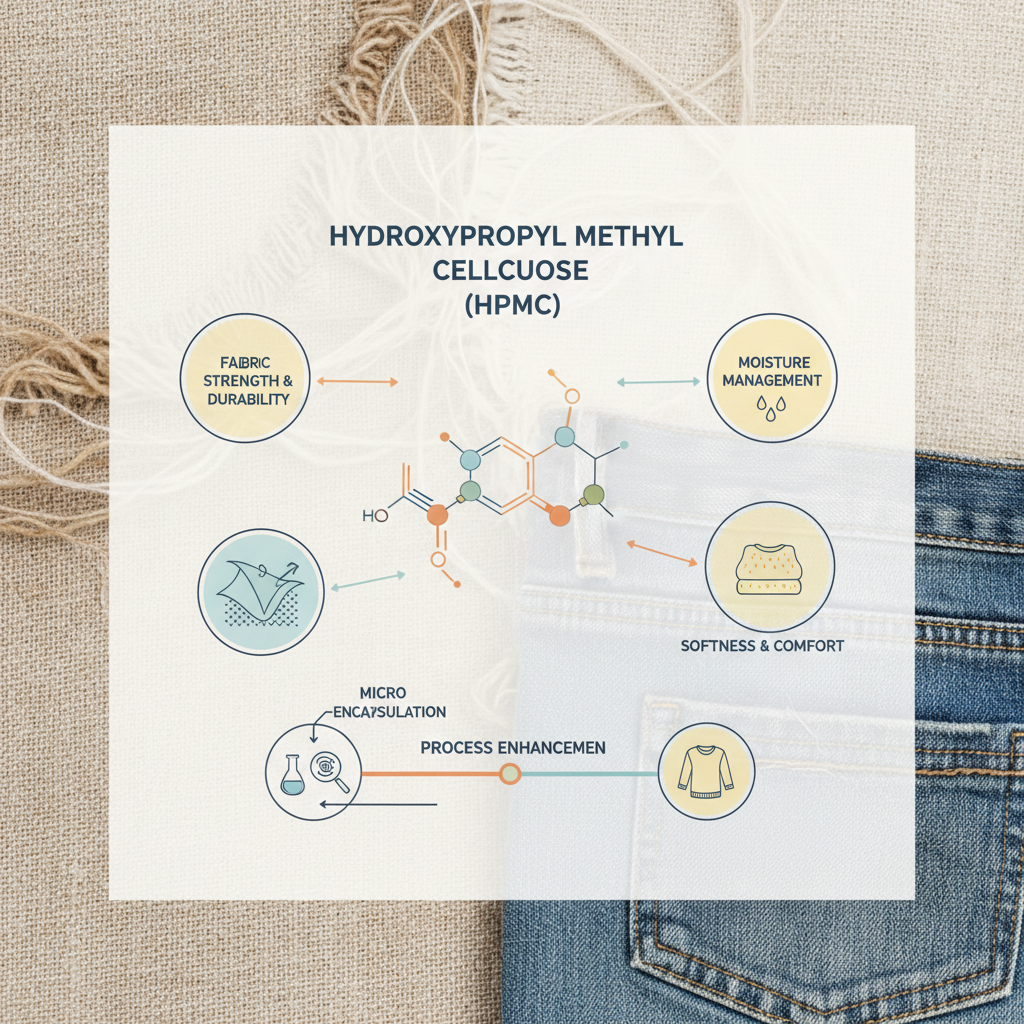
HPMC is derived from cellulose, a natural polymer found in plants. Through chemical modification, cellulose is transformed into HPMC, gaining enhanced solubility in water and a range of valuable properties. These properties are heavily influenced by the degree of substitution (DS) of the hydroxylpropyl and methyl groups. Higher DS values generally lead to increased water solubility and altered rheological characteristics. The molecular weight also plays a significant role, affecting viscosity and thickening power. Key attributes of HPMC include excellent thermal gelation, surface activity, and compatibility with a variety of other ingredients.
Key Highlights: HPMC exhibits excellent thermal gelation, surface activity, and compatibility with a diverse range of ingredients, making it suitable for diverse formulations.
HPMC is available in a variety of grades, each tailored to specific applications. These grades are categorized based on their viscosity, particle size, and degree of substitution. Lower viscosity grades are ideal for applications requiring easy flow and dispensing, such as coatings and adhesives. Higher viscosity grades are preferred for applications where thickening and suspension are crucial, like mortars and pharmaceutical suspensions. Different grades also offer varying levels of water retention, impacting performance in dry-mix applications. TJ HPMC offers a comprehensive range of grades to meet diverse industry needs.
Grade Selection Guide:
• Low Viscosity: Coatings, adhesives, and thin film applications.
• Medium Viscosity: Pharmaceutical suspensions, cosmetics, and specialty mortars.
• High Viscosity: Construction materials (tile adhesives, renders), thickeners, and emulsion stabilization.
The construction industry is a major consumer of HPMC. It's widely used in cement-based products such as tile adhesives, self-leveling compounds, and exterior insulation and finish systems (EIFS). HPMC improves workability, adhesion, and water retention, preventing premature drying and ensuring optimal strength development. Its thickening properties also contribute to sag resistance in vertical applications. Furthermore, HPMC enhances the open time of adhesives, allowing for greater flexibility during installation. Using HPMC in construction materials significantly improves their overall performance and durability.
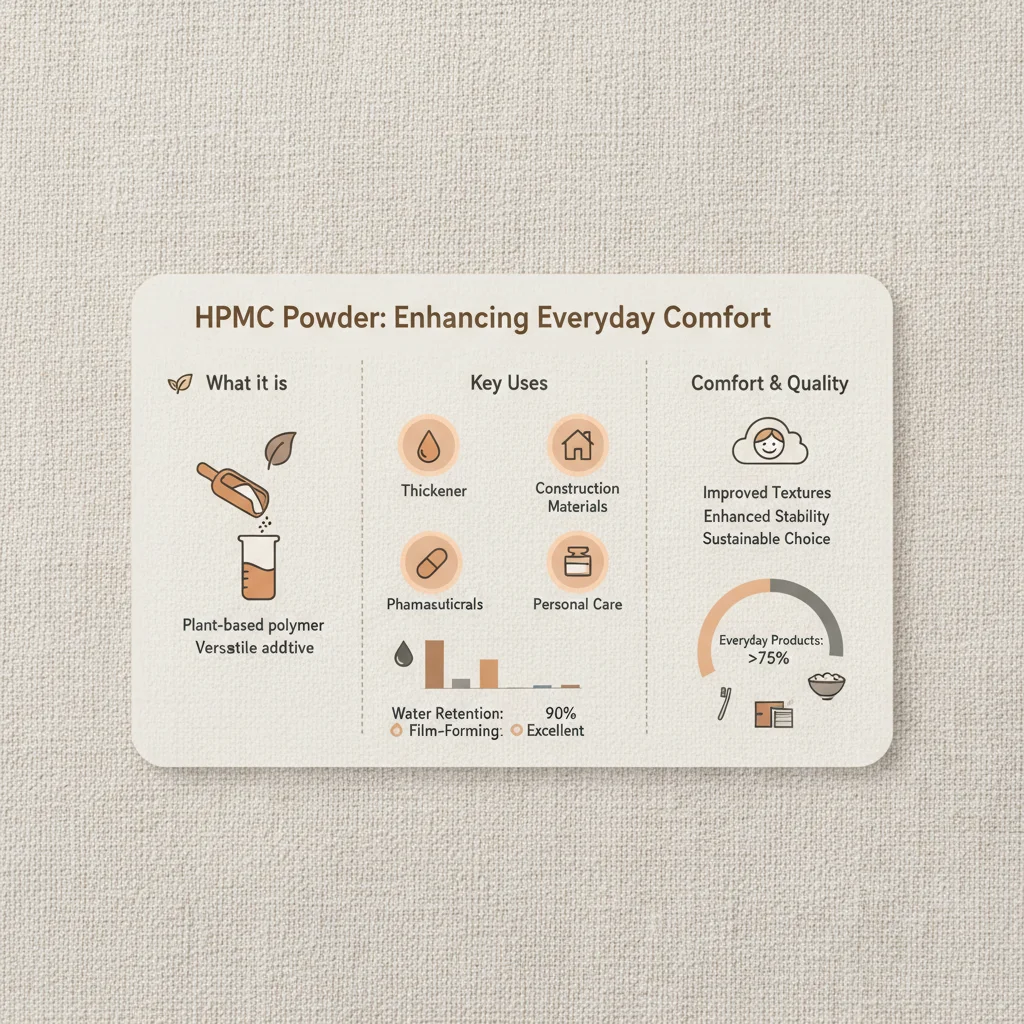
While prominent in construction, HPMC finds extensive use in various other sectors. In the pharmaceutical industry, it serves as a binder, disintegrant, and film coating agent for tablets and capsules. In food production, HPMC acts as a thickener, stabilizer, and emulsifier in sauces, dressings, and baked goods. Cosmetic formulations utilize HPMC for its film-forming and thickening properties in creams, lotions, and shampoos. Its versatility continues to drive innovation and expand its applications across multiple industries. Explore the full range of applications on our website.
Maintaining consistent quality is paramount when sourcing HPMC. Key specifications to consider include viscosity, moisture content, pH, and degree of substitution. These parameters directly impact the performance of HPMC in your application. We at TJ HPMC adhere to stringent quality control measures to ensure our products meet or exceed industry standards. We provide detailed technical data sheets with each product, outlining its specific characteristics and performance parameters.
Hydroxypropyl Methyl Cellulose is a remarkably versatile polymer with a broad spectrum of applications. Choosing the right grade and sourcing from a reputable supplier like TJ HPMC is essential for achieving optimal performance and consistent results. We are committed to providing high-quality HPMC and expert technical support to meet your specific needs.
When stored properly in a cool, dry place away from direct sunlight, HPMC typically has a shelf life of at least 5 years. However, it's crucial to follow the manufacturer's recommendations for storage. Exposure to humidity can cause HPMC to absorb moisture, potentially affecting its viscosity and performance. Regularly inspect the packaging for any signs of damage or moisture ingress. While HPMC is generally stable, maintaining proper storage conditions ensures optimal functionality over time.
Determining the appropriate viscosity grade depends heavily on your specific application. Generally, lower viscosity grades are suited for applications requiring easy flow and coating, such as paints or adhesives. Higher viscosity grades are better for thickening, suspension, and preventing settling in products like mortars or pharmaceutical suspensions. Conducting small-scale testing with different viscosity grades is recommended to evaluate their impact on your formulation's performance. Our technical team at TJ HPMC can provide guidance and support in selecting the optimal grade for your needs.
HPMC exhibits excellent compatibility with a wide range of additives commonly used in various formulations, including polymers, resins, pigments, and surfactants. However, it’s always recommended to conduct compatibility testing to ensure no adverse reactions occur. Certain additives, particularly strong electrolytes, may affect the solubility and viscosity of HPMC. Careful consideration of potential interactions is crucial for maintaining formulation stability and performance.
HPMC is derived from renewable cellulose sources, making it a more sustainable alternative to some synthetic polymers. It is biodegradable under certain conditions, although the rate of degradation can vary depending on environmental factors. HPMC is also considered non-toxic and environmentally friendly. Choosing HPMC can contribute to more sustainable formulations and reduce the environmental impact of your products.
Hit enter to search or ESC to close