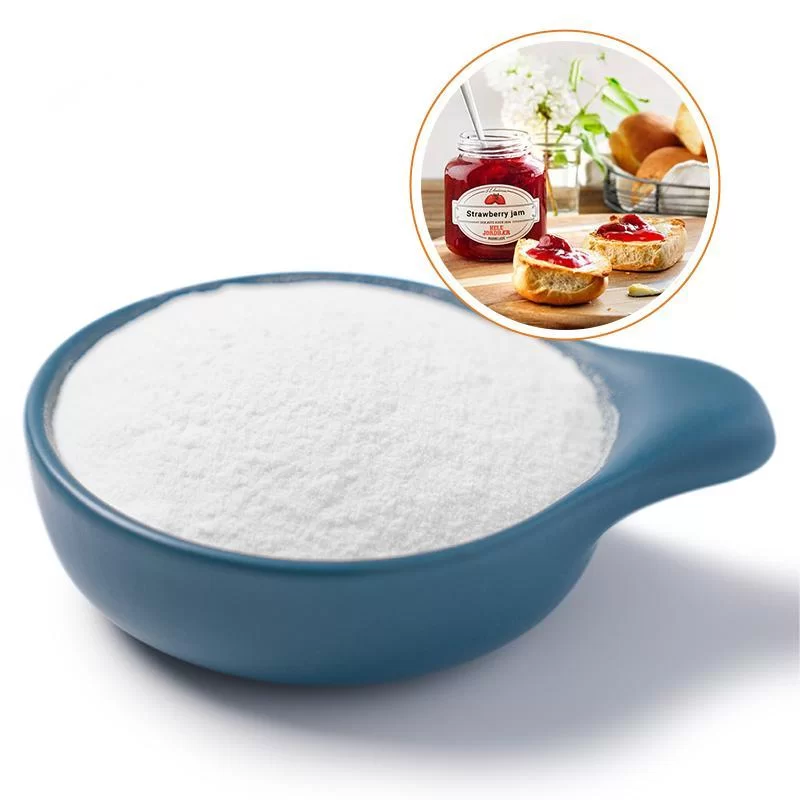
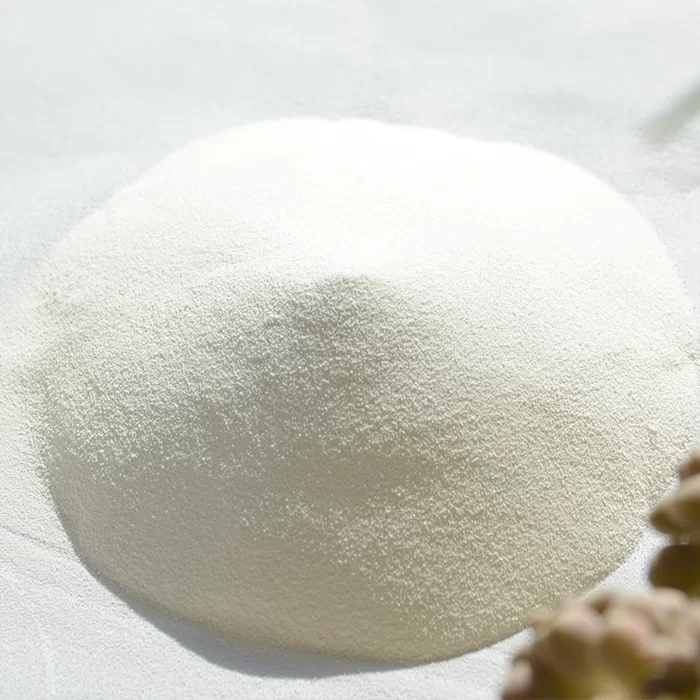
In the modern pharmaceutical landscape, the efficacy of a drug is determined not only by its Active Pharmaceutical Ingredient (API) but also by the sophistication of its delivery system. Hydroxypropyl Methylcellulose (HPMC), often referred to as Hypromellose, has emerged as one of the most versatile and indispensable excipients in global medicine. From its physical state as a fine hydroxypropyl methylcellulose powder to its role in complex drug release kinetics, this polymer is a cornerstone of oral solid dosage forms.
Hydroxypropyl methylcellulose is used in pharmaceutical formulations primarily because it is a non-ionic, water-soluble ether of cellulose. It is produced through the chemical modification of natural alkali cellulose with methyl chloride and propylene oxide. The resulting polymer possesses both hydrophilic (water-loving) and hydrophobic (water-fearing) properties, which allows it to act as a bridge between various substances in a pill or capsule.
For procurement managers and formulation scientists, sourcing high-quality materials is critical. Many of the world’s leading HPMC manufacturers in China have achieved international certification, providing different grades of HPMC that vary in viscosity and substitution levels (methoxy vs. hydroxypropyl content). These variations allow pharmacists to fine-tune the behavior of the drug once it enters the human body.
1. The Gold Standard for Tablet Film Coating
One of the most visible ways hpmc pharmaceutical use impacts the consumer is through tablet coating. Unlike older sugar-coating methods, HPMC-based film coatings are thin, flexible, and durable.
Protective Barrier: It shields the API from light, moisture, and oxidation, which is vital for maintaining shelf life.
Patient Compliance: HPMC coatings can mask the bitter taste or unpleasant odors of certain medications, making them easier for patients to swallow.
Mechanical Strength: The film-forming ability of HPMC ensures that tablets do not chip or break during packaging and transport.
2. Sustained-Release and Controlled-Release Matrix Systems
Perhaps the most technically significant application of hydroxypropyl methylcellulose powder is in the creation of hydrophilic matrix tablets. This technology allows for "sustained-release" (SR) or "extended-release" (ER) dosing.
When a tablet containing HPMC is ingested, the polymer particles on the surface hydrate to form a viscous gel layer. This gel layer acts as a gatekeeper. Water must penetrate the gel to dissolve the drug, and the dissolved drug must then diffuse out through the gel to enter the bloodstream. By adjusting the viscosity grade of the HPMC, manufacturers can control whether a drug is released over four hours, twelve hours, or even a full day. This reduces the frequency of dosing and maintains a steady concentration of the drug in the patient’s system, minimizing side effects.
3. The Rise of Vegetarian (HPMC) Capsules
Traditionally, pharmaceutical capsules were made from bovine or porcine gelatin. However, the industry has seen a massive shift toward hydroxypropyl methylcellulose is used in the production of "Veggie Caps."
HPMC capsules offer several advantages over gelatin:
Low Moisture Content: They contain significantly less water than gelatin, making them ideal for moisture-sensitive drugs.
Chemical Stability: They do not undergo "cross-linking," a process that can cause gelatin capsules to become insoluble over time.
Global Acceptance: They meet the dietary requirements of vegan, Halal, and Kosher consumers, making them the preferred choice for global product launches.
The widespread hpmc pharmaceutical use is not accidental; it is based on several inherent chemical advantages:
pH Stability: Unlike many other polymers, HPMC is stable across a wide pH range (typically from 3.0 to 11.0). This ensures that the drug release profile remains consistent whether it is in the highly acidic environment of the stomach or the more neutral environment of the intestines.
Non-Ionic Nature: Because it carries no ionic charge, HPMC is less likely to interact negatively with charged drug molecules. This reduces the risk of complexation or precipitation that could render a drug ineffective.
Safety and Regulatory Approval: HPMC is recognized by major global pharmacopoeias (USP, EP, JP). It is generally recognized as safe (GRAS) and has an excellent toxicological profile for oral consumption.
As the demand for affordable healthcare increases, the supply chain for excipients has become globalized. Numerous HPMC manufacturers in China have invested heavily in R&D to match the strict quality standards required by international pharmaceutical companies.
When evaluating hydroxypropyl methylcellulose powder, manufacturers look for:
Viscosity Consistency: Crucial for ensuring that every batch of medicine performs identically.
Particle Size Distribution: Influences how well the powder mixes with other ingredients during dry blending or granulation.
Substitution Ratios: Determines the thermal gelation temperature and the speed of hydration.
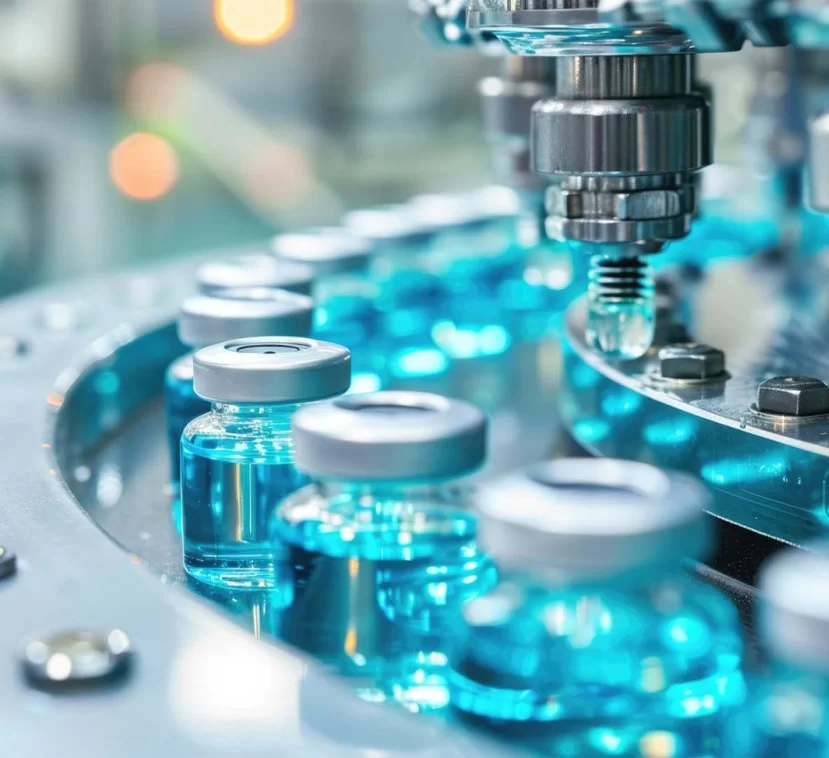
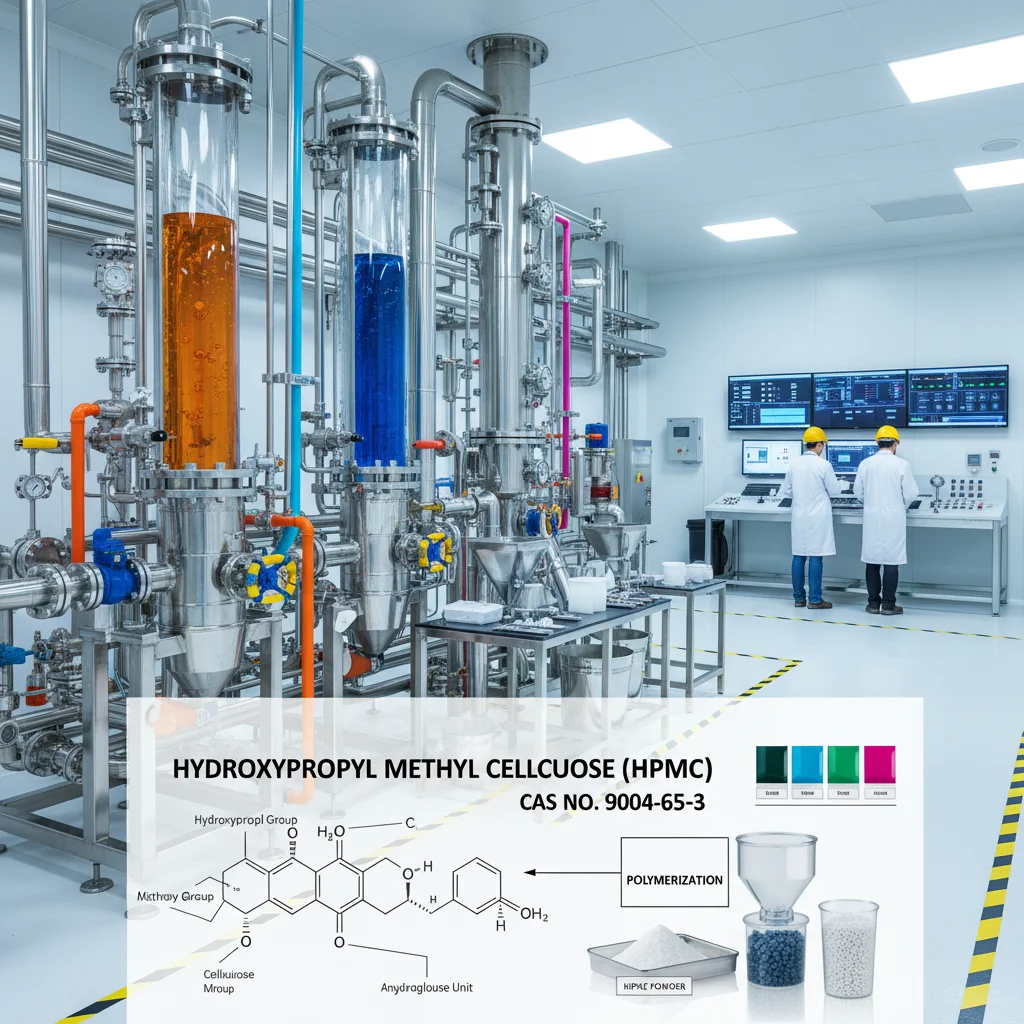
Advanced production facilities utilize automated systems to minimize human error and ensure that products meet Good Manufacturing Practice (GMP) requirements. This high level of industrialization has made it possible to distribute high-purity HPMC to all corners of the pharmaceutical world.
The future of hpmc pharmaceutical use is moving toward "Personalized Medicine." Researchers are currently using HPMC as a "bio-ink" in 3D printing applications. In this process, the hydroxypropyl methylcellulose powder is mixed with an API and printed into a specific shape or structure designed for a unique patient’s needs.
This could allow for "polypills"—a single tablet printed with multiple layers of different drugs, each with its own HPMC-controlled release rate. Such innovation would revolutionize treatment for elderly patients who currently have to take dozens of different pills a day.
In summary, hydroxypropyl methylcellulose is much more than just a "filler" in a pill. It is a highly engineered functional material that ensures life-saving drugs are stable, easy to take, and released into the body at exactly the right speed. Whether it is sourced for mass production or used in cutting-edge 3D printing labs, HPMC remains a vital pillar of the pharmaceutical world.
As we look forward, the continued refinement of hydroxypropyl methylcellulose is used in increasingly complex delivery systems will continue to improve patient outcomes and drug safety across the globe.
Hit enter to search or ESC to close