Exploring the Versatile Applications of hpmc hidroxipropilmetilcelulosa in Global Industries
hpmc hidroxipropilmetilcelulosa, a versatile cellulose ether derivative, plays a crucial role in numerous industries globally. Its unique properties, including thickening, binding, film-forming, and water retention, make it an indispensable component in diverse applications ranging from construction and pharmaceuticals to food and personal care products. The growing demand for sustainable and high-performing materials is driving the increasing adoption of hpmc hidroxipropilmetilcelulosa worldwide.
The global market for hpmc hidroxipropilmetilcelulosa is experiencing steady growth, fueled by rapid urbanization, infrastructure development, and evolving consumer preferences. According to recent reports, the Asia-Pacific region represents the largest and fastest-growing market, driven by China and India. Understanding the nuances of hpmc hidroxipropilmetilcelulosa—its production, properties, and applications—is vital for professionals across various sectors aiming to innovate and address industry challenges.
The increasing focus on environmentally friendly solutions further propels the demand for hpmc hidroxipropilmetilcelulosa. As a derivative of renewable cellulose, it offers a sustainable alternative to many synthetic polymers, contributing to a reduced carbon footprint and promoting responsible manufacturing practices. This demand underscores the importance of comprehending this material and its potential for a more sustainable future.
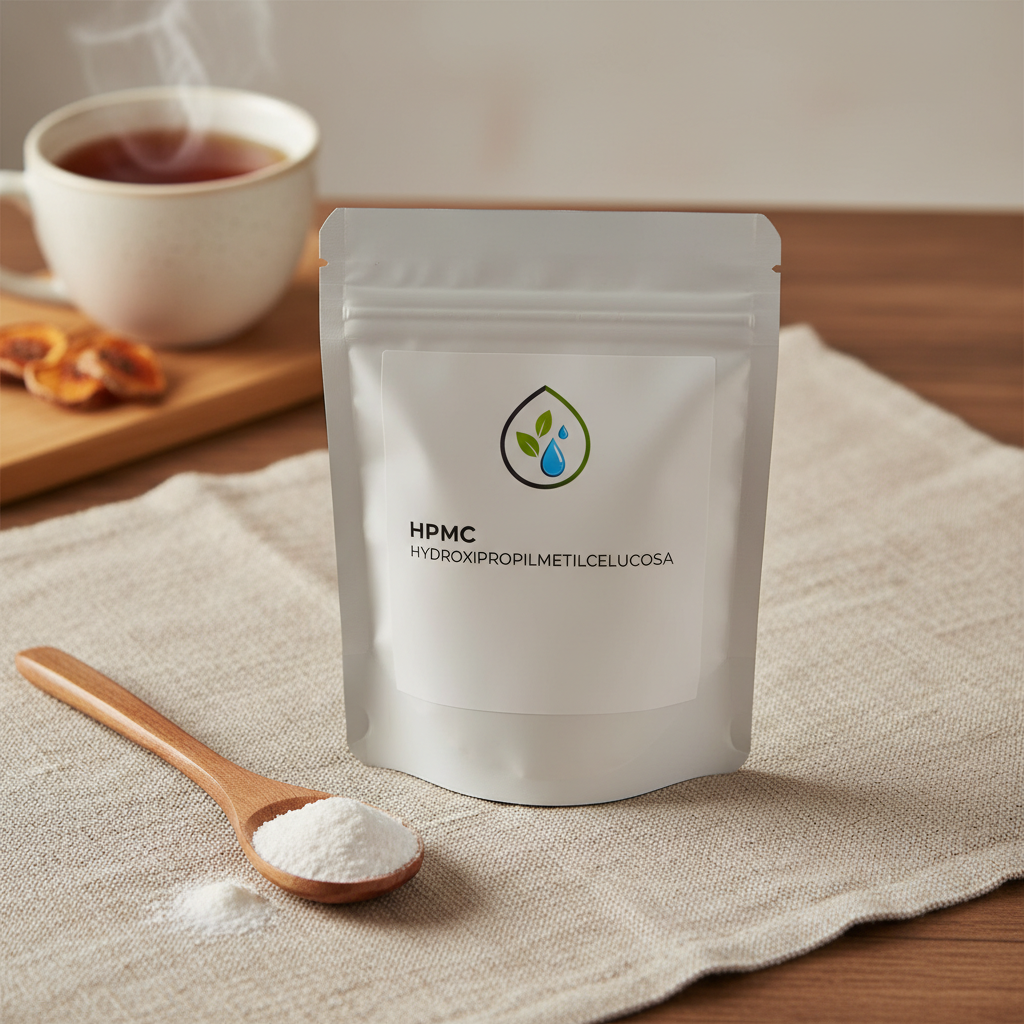
hpmc hidroxipropilmetilcelulosa’s significance stems from its adaptability. It’s not a single-use material, but rather a foundational element applicable to numerous sectors. This versatility dramatically reduces reliance on specialized, often less sustainable, alternatives.
Its growing implementation underscores a global shift toward materials offering both functional performance and environmental responsibility. This positions hpmc hidroxipropilmetilcelulosa as a vital component in addressing the challenges of sustainable development and material innovation across industries.
hpmc hidroxipropilmetilcelulosa is a non-ionic cellulose ether produced by chemically modifying cellulose. This modification involves the introduction of hydroxypropyl and methyl groups to the cellulose backbone, conferring unique properties like solubility in water and varying viscosity depending on the degree of substitution.
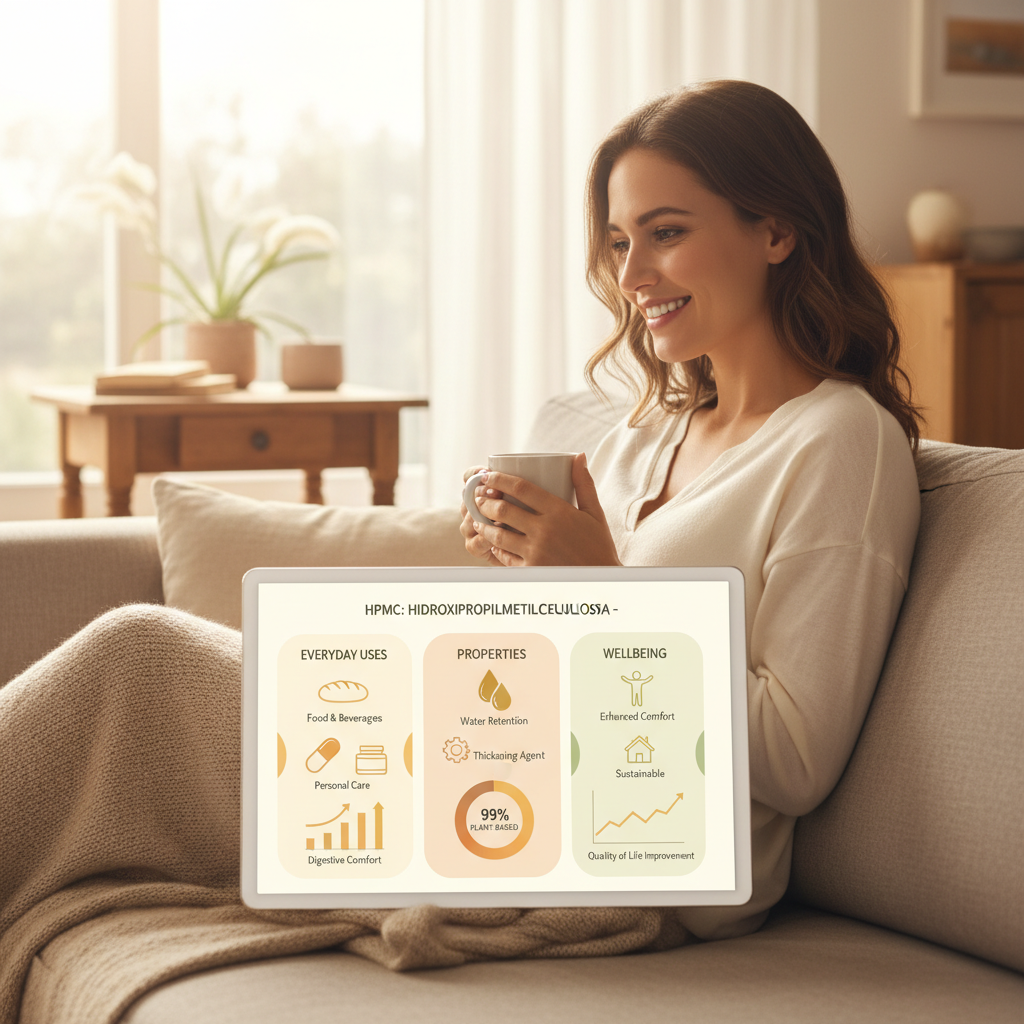
It functions as a thickening agent, binder, film-former, protective colloid, and water-retention agent. These capabilities are crucial in diverse industries, allowing for the creation of stable, effective, and consistently performing products.
Its connection to modern needs is paramount. From improving the workability of concrete and enhancing the stability of pharmaceutical formulations to providing texture in food products and moisture retention in cosmetics, hpmc hidroxipropilmetilcelulosa addresses critical functional requirements across countless applications.
One of the defining characteristics of hpmc hidroxipropilmetilcelulosa is its viscosity control. Varying the degree of substitution and molecular weight allows for precise tailoring of viscosity to meet specific application needs, crucial for products like paints, coatings, and adhesives.
Water retention is another critical property. hpmc hidroxipropilmetilcelulosa's ability to hold water prevents premature drying in applications like cement-based products, ensuring proper hydration and strength development. This is essential in construction and building materials.
Furthermore, hpmc hidroxipropilmetilcelulosa exhibits excellent thermal stability and chemical resistance. This robustness ensures the integrity of formulations under diverse processing conditions and in challenging end-use environments, making it suitable for a broad spectrum of applications. It also showcases strong film-forming capabilities, lending itself to coatings and specialized packaging.
The construction industry heavily relies on hpmc hidroxipropilmetilcelulosa as a crucial component in cement-based mortars, tile adhesives, and self-leveling compounds. It improves workability, adhesion, and water retention, resulting in stronger and more durable structures.
In the pharmaceutical sector, hpmc hidroxipropilmetilcelulosa serves as a binder, film coating agent, and controlled-release matrix in tablets and capsules, ensuring precise drug delivery and enhancing therapeutic efficacy. Regions like North America and Europe are significant consumers in this application.
Across the food industry, hpmc hidroxipropilmetilcelulosa acts as a thickener, stabilizer, and emulsifier in sauces, dressings, desserts, and baked goods, improving texture, shelf life, and overall product quality. Demand in developing economies is steadily increasing alongside changing dietary habits.
Using hpmc hidroxipropilmetilcelulosa offers significant cost benefits. Its effectiveness at lower concentrations compared to other thickeners and binders translates to reduced material costs and improved formulation economics. Furthermore, it streamlines production processes, minimizing labor and energy consumption.
From a sustainability standpoint, hpmc hidroxipropilmetilcelulosa derives from a renewable resource – cellulose. Its biodegradability reduces environmental impact, aligning with growing demands for eco-friendly products. This promotes a circular economy and minimizes waste, enhancing brand reputation and consumer appeal.
Research into modifying hpmc hidroxipropilmetilcelulosa to enhance specific properties, such as controlled release and targeted drug delivery, is a prominent trend. Nanotechnology and microencapsulation techniques are being explored to optimize its performance in specialized applications.
The development of bio-based hpmc hidroxipropilmetilcelulosa alternatives using sustainable cellulose sources is gaining traction. This represents a significant step towards reducing reliance on conventional cellulose sources and minimizing the environmental impact of production.
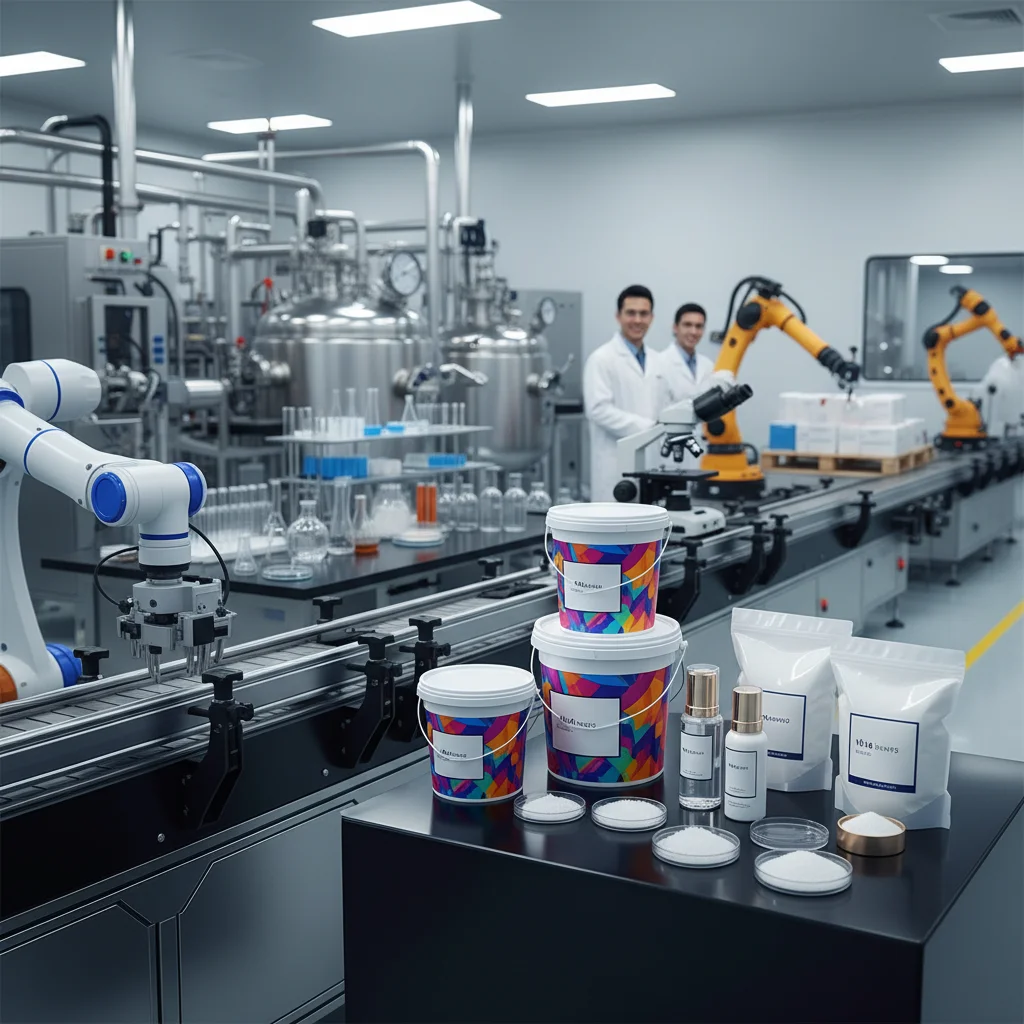
One common challenge is achieving consistent quality and performance across different batches of hpmc hidroxipropilmetilcelulosa. Stringent quality control measures, including precise monitoring of the degree of substitution and molecular weight, are crucial for mitigating this issue.
Another challenge lies in optimizing hpmc hidroxipropilmetilcelulosa formulations for specific applications. This requires a thorough understanding of its interactions with other ingredients and careful optimization of processing parameters. Collaborative research between manufacturers and end-users can facilitate effective formulation development.
Addressing the higher cost of certain specialized grades of hpmc hidroxipropilmetilcelulosa is another concern. Exploring cost-effective production methods and developing alternative formulations that minimize the use of expensive grades can help overcome this barrier.
| Challenge | Impact Area | Proposed Solution | Implementation Cost (1-10) |
|---|---|---|---|
| Batch-to-batch Variability | Product Quality | Enhanced Quality Control | 6 |
| Formulation Complexity | Application Performance | Collaborative Research | 7 |
| High Cost of Specialty Grades | Economic Viability | Alternative Formulation Design | 5 |
| Limited Solubility in Cold Water | Processing Efficiency | Pre-gelation Techniques | 4 |
| Sensitivity to pH Changes | Stability of Formulations | Buffer System Integration | 5 |
| Inconsistent Raw Material Supply | Production Continuity | Diversified Sourcing Strategy | 8 |
Different grades of hpmc hidroxipropilmetilcelulosa are differentiated primarily by their viscosity, degree of substitution (DS), and particle size. Viscosity dictates the thickening capability, while DS impacts solubility and gelation properties. Particle size affects dispersibility. Selecting the right grade is crucial for optimizing performance in specific applications – for example, higher viscosity grades are preferred for applications requiring substantial thickening, while lower viscosity grades are used where easy dispersion is paramount.
hpmc hidroxipropilmetilcelulosa is derived from cellulose, a natural polymer, making it biodegradable under certain conditions. However, the rate of biodegradation can vary depending on factors like molecular weight, DS, and environmental conditions. Compared to many synthetic polymers, hpmc offers a more sustainable alternative, reducing reliance on fossil fuels and minimizing long-term environmental persistence. Ongoing research aims to further enhance its biodegradability.
Temperature significantly influences hpmc hidroxipropilmetilcelulosa performance. Increased temperature generally lowers viscosity, enhancing dispersion and reducing shear thinning. However, prolonged exposure to high temperatures can lead to degradation. Formulations should be designed to account for temperature fluctuations. Proper storage conditions are vital to maintain hpmc hidroxipropilmetilcelulosa stability and prevent unwanted changes in properties.
Compatibility issues can arise with certain inorganic salts, particularly polyvalent cations like aluminum and iron, which can cause precipitation or gelation. Similarly, some surfactants might disrupt hpmc’s structure. Careful formulation development and compatibility testing are essential. Using chelating agents can sometimes mitigate precipitation issues. Thoroughly assessing the interaction between hpmc and other components is crucial for stable formulations.
hpmc hidroxipropilmetilcelulosa typically has a shelf life of at least five years when stored properly. It should be kept in a cool, dry, and well-ventilated area, protected from direct sunlight and moisture. Avoid storing it near strong oxidizing agents or chemicals. Maintaining appropriate storage conditions prevents degradation and ensures consistent performance over time.
Molecular weight is a critical factor influencing hpmc hidroxipropilmetilcelulosa properties. Higher molecular weight generally results in greater viscosity and stronger gel-forming ability. Lower molecular weight materials offer improved solubility and reduced viscosity. Carefully selecting the molecular weight is paramount for tailoring the material’s performance to specific application requirements. It is directly related to the thickening and binding ability of the polymer.
hpmc hidroxipropilmetilcelulosa stands as a remarkably versatile and essential material, impacting a diverse range of industries from construction and pharmaceuticals to food and cosmetics. Its unique combination of properties—thickening, binding, water retention, and film formation—coupled with its sustainability profile, positions it as a cornerstone of modern material science and engineering.
Looking ahead, continued innovation in hpmc hidroxipropilmetilcelulosa technology, focusing on tailored properties, sustainable sourcing, and enhanced biodegradability, promises to unlock even greater potential. To learn more about how hpmc hidroxipropilmetilcelulosa can benefit your applications, visit our website: www.tjhpmc.com.

Hit enter to search or ESC to close
If you are interested in our products, you can choose to leave your information here, and we will be in touch with you shortly.