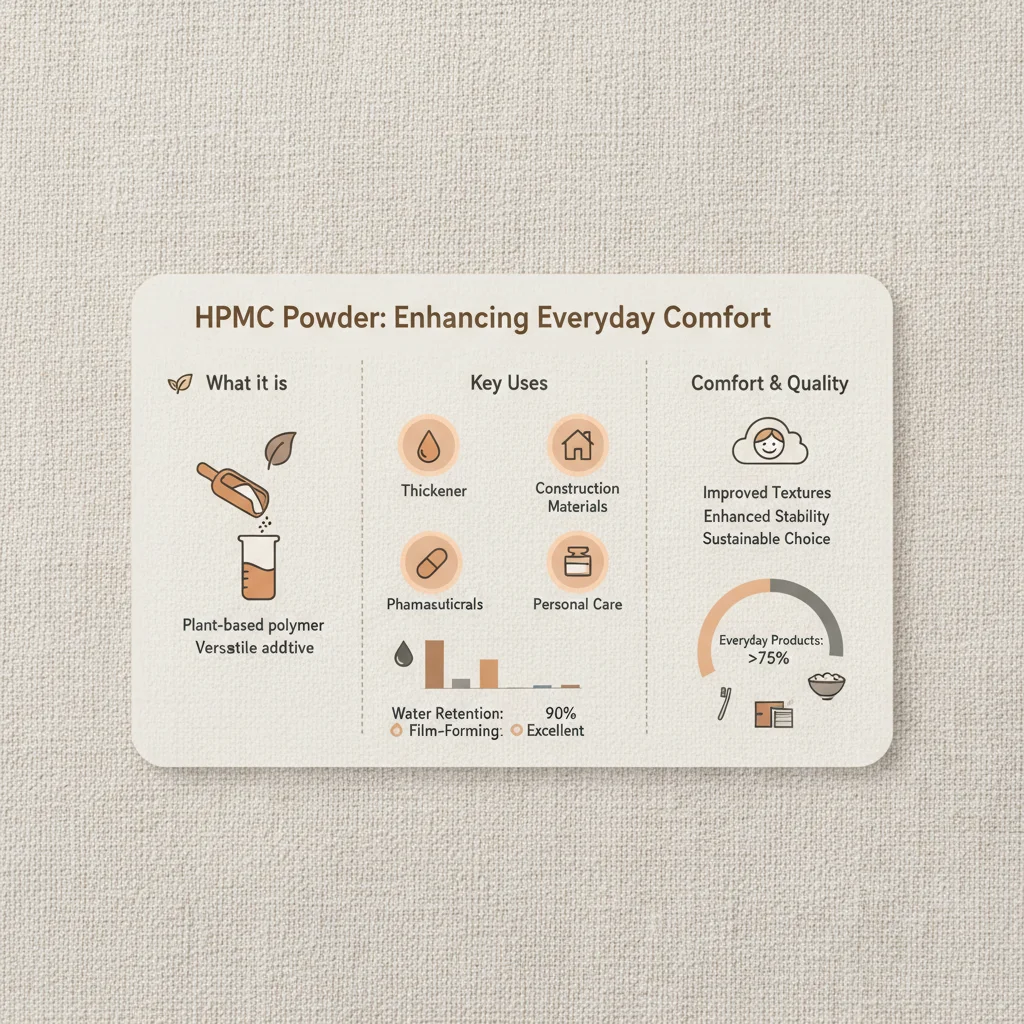
Hydroxypropyl methylcellulose (hpmc) is a versatile polymer gaining increasing importance globally, impacting industries from pharmaceuticals and food to construction and cosmetics. Its unique properties – including thickening, binding, film-forming, and water retention – make it a crucial ingredient in a vast array of products. Understanding hpmc is therefore paramount for professionals and researchers across multiple disciplines, driving innovation and addressing critical needs in a rapidly evolving world.
The global market for hpmc is substantial and continues to grow, driven by factors like increasing demand for processed foods, expanding pharmaceutical production, and a rising focus on sustainable building materials. According to market research reports, the hpmc market is projected to reach billions of dollars in the coming years. This growth underscores the pivotal role hpmc plays in modern manufacturing and its impact on various sectors, particularly in emerging economies.
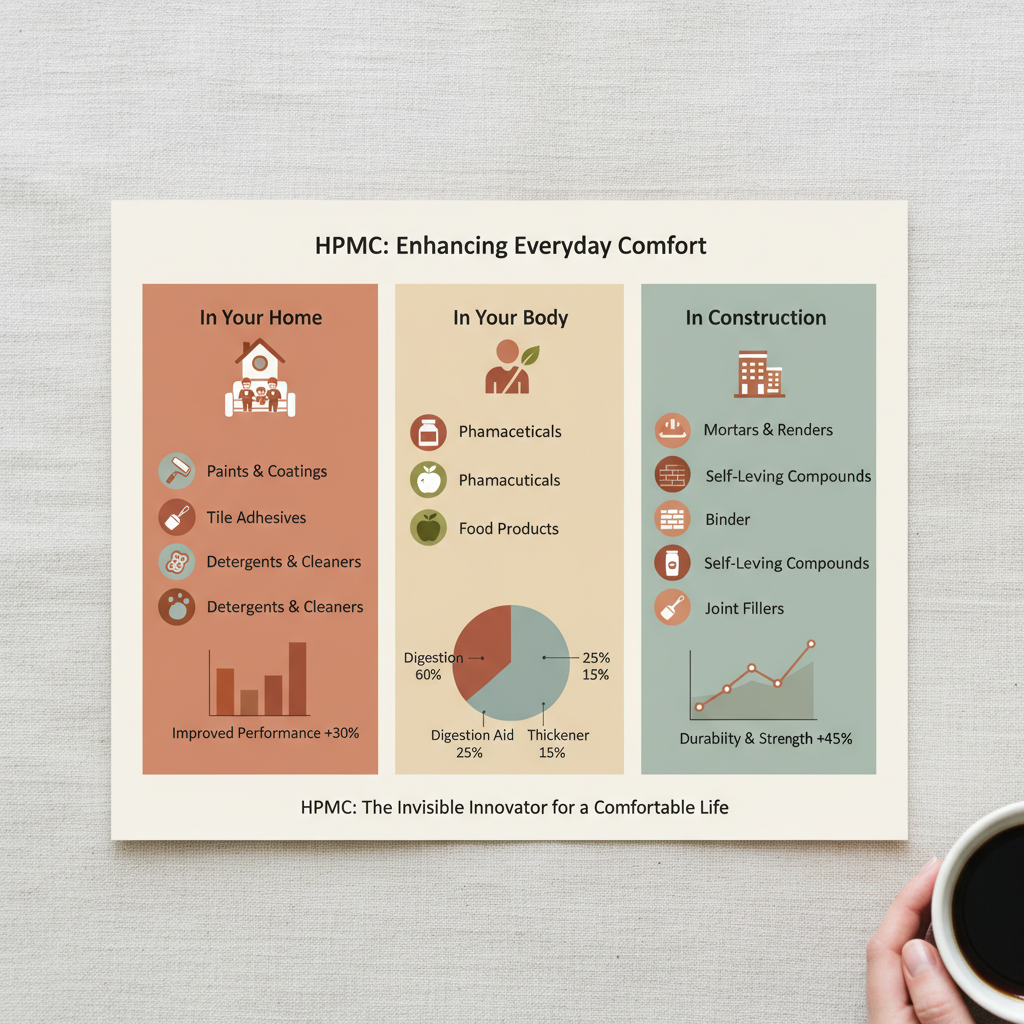
The significance of hpmc lies in its ability to address challenges across diverse applications. In pharmaceuticals, it enables controlled drug release; in construction, it enhances workability and water retention in cement-based materials; and in food, it provides texture and stability. This broad utility makes hpmc hydroxypropyl methylcellulose a foundational material in contemporary industry.
Introduction to hpmc Hydroxypropyl Methylcellulose
hpmc hydroxypropyl methylcellulose is a non-ionic cellulose ether, derived from cellulose through chemical modification. This modification introduces both hydroxypropyl and methyl groups, granting the polymer its unique characteristics and broad applicability. These properties influence its viscosity, water solubility, and thermal gelation behavior.
Its wide-ranging applications are directly linked to these tunable properties. The ability to precisely control these characteristics through varying degrees of substitution makes hpmc an invaluable asset for formulators and manufacturers seeking to tailor performance to specific application demands.
The Global Relevance of hpmc
The production and consumption of hpmc are concentrated in regions with substantial manufacturing sectors, notably Asia-Pacific, Europe, and North America. China is currently the largest producer and consumer, driven by its booming pharmaceutical, construction, and food industries. Increasing demand from emerging economies, such as India and Brazil, further fuels global growth.
According to a report by Grand View Research, the global cellulose ether market, where hpmc is a major component, was valued at USD 8.3 billion in 2022 and is expected to grow at a compound annual growth rate (CAGR) of 5.8% from 2023 to 2030. This demonstrates the significant and continuing importance of hpmc in global manufacturing.
A key challenge addressed by hpmc is the need for sustainable and efficient materials across industries. Its biodegradability and renewability offer a more environmentally friendly alternative to some synthetic polymers, aligning with growing global sustainability initiatives.
Defining hpmc Hydroxypropyl Methylcellulose
Simply put, hpmc hydroxypropyl methylcellulose is a modified cellulose used to control the properties of water-based mixtures. It’s a white, odorless, tasteless powder that dissolves in water to form a clear, viscous solution. It's derived from natural cellulose, typically sourced from wood pulp or cotton linter.
Its connection to modern industry stems from its ability to act as a thickener, binder, film-former, protective colloid, suspending agent, and water-retention agent. These functionalities address crucial needs in sectors ranging from pharmaceutical drug delivery to construction material performance.
In humanitarian contexts, hpmc plays a role in stabilizing essential food supplies, ensuring consistent texture and preventing separation in emergency rations, contributing to food security in disaster relief efforts.
Key Properties of hpmc Hydroxypropyl Methylcellulose
One critical aspect is its Viscosity Control. Different grades of hpmc offer varying viscosities, allowing formulators to fine-tune the flow and consistency of their products, crucial in applications like paints, coatings, and personal care products. The degree of substitution impacts viscosity significantly.
Another key factor is Water Retention. Hpmc’s ability to hold water is essential in cement-based materials, preventing premature drying and ensuring proper hydration, leading to stronger and more durable structures. This is vital in construction applications, particularly in arid climates.
Thermal Gelation is another important property. Certain hpmc grades exhibit thermal gelation, meaning they transition from a liquid to a gel upon heating, making them ideal for applications like controlled-release drug delivery systems and food products requiring specific textural changes with temperature.
Film-Forming Ability is important in coatings and tablet binding. Hpmc can create strong, flexible films, protecting surfaces or holding ingredients together.
Chemical Stability allows hpmc to remain stable over a wide pH range and in the presence of many common chemicals.
Finally, its Biocompatibility makes it safe for use in pharmaceutical and food applications.
Applications of hpmc Worldwide
In the pharmaceutical industry, hpmc hydroxypropyl methylcellulose is widely used as a binder in tablets, a film coating agent, and a viscosity-increasing agent in liquid formulations. It ensures consistent drug release and improves patient compliance. Globally, pharmaceutical companies rely on it for a vast range of oral and topical medications.
The construction industry utilizes hpmc in cement-based materials, tile adhesives, and renders to improve workability, water retention, and adhesion. In regions with extreme weather conditions, such as the Middle East and Southeast Asia, hpmc is vital for ensuring the durability and longevity of construction projects.
In the food industry, hpmc acts as a thickener, stabilizer, and emulsifier in a variety of products, including sauces, dressings, baked goods, and dairy alternatives. It's used extensively in Europe and North America to enhance texture and shelf life. In post-disaster relief operations, hpmc is sometimes used to improve the texture and nutritional value of emergency food rations.
hpmc Hydroxypropyl Methylcellulose Application Ratings
Advantages and Long-Term Value of hpmc
One tangible benefit is Cost-Effectiveness. Compared to some synthetic alternatives, hpmc hydroxypropyl methylcellulose offers a competitive price point without compromising performance. This makes it a viable solution for a wide range of applications, particularly in cost-sensitive industries.
Its Sustainability profile is also advantageous. Derived from renewable cellulose sources, hpmc offers a lower environmental footprint compared to petroleum-based polymers. This aligns with increasing consumer demand for eco-friendly products and corporate sustainability goals.
Future Trends and Innovations in hpmc
Ongoing research focuses on modifying hpmc to enhance its properties further, such as improving its thermal stability and expanding its range of applications. Developments in nanotechnology aim to create hpmc-based nanoparticles for targeted drug delivery and advanced materials.
The increasing demand for bio-based materials is driving innovation in hpmc production, with a focus on utilizing more sustainable cellulose sources and reducing waste. The integration of hpmc into 3D printing applications for creating customized formulations and structures also represents an exciting trend.
Furthermore, advancements in digital transformation and automation are optimizing hpmc manufacturing processes, leading to increased efficiency and reduced costs. The development of smart packaging incorporating hpmc-based coatings for extended shelf life and improved product protection is another area of active research.
Challenges and Solutions
A common limitation is the potential for batch-to-batch variability in hpmc properties, stemming from variations in cellulose source and manufacturing processes. Implementing rigorous quality control measures and standardized testing protocols are crucial to mitigate this issue.
Another challenge is the sensitivity of hpmc to microbial degradation, requiring the addition of preservatives in certain applications. Research into developing more intrinsically stable hpmc grades or utilizing natural antimicrobial additives can address this concern.
Finally, optimizing hpmc’s dispersion in certain formulations can be challenging. Utilizing appropriate mixing techniques and surface modification strategies can improve its compatibility and performance in complex systems.
Summary of hpmc Quality Control, Stability, and Dispersion Methods
| Quality Control Parameter |
Stability Enhancement Method |
Dispersion Improvement Technique |
Typical Implementation Cost (USD) |
| Viscosity Measurement |
Addition of Preservatives |
High-Shear Mixing |
50-200 |
| Moisture Content Analysis |
pH Adjustment |
Surface Modification |
100-500 |
| Substitution Degree Determination |
Antioxidant Incorporation |
Ultrasonic Dispersion |
200-800 |
| Particle Size Distribution |
Controlled Atmosphere Storage |
Use of Dispersants |
30-150 |
| Gel Strength Testing |
Encapsulation Techniques |
Pre-Gelatinization |
75-300 |
| Color and Clarity Assessment |
UV Light Protection |
Microfluidization |
400-1200 |
FAQS
The pharmaceutical, construction, food, cosmetics, and personal care industries are the primary consumers of hpmc. In pharmaceuticals, it’s a key excipient in tablets and coatings. Construction utilizes it for improved mortar properties. The food industry values its thickening and stabilizing abilities. Cosmetics benefit from its film-forming characteristics. It’s truly a versatile polymer with widespread applications.
Yes, hpmc is generally recognized as safe (GRAS) by regulatory bodies like the FDA when used within specified limits. It's biocompatible and non-toxic, making it suitable for both food and pharmaceutical applications. However, purity and adherence to relevant quality standards are critical to ensure safety. Manufacturers must comply with stringent regulations regarding residual solvents and heavy metals.
Viscosity is a crucial property of hpmc, directly impacting its performance. Higher viscosity grades provide greater thickening and suspension capabilities, ideal for paints and adhesives. Lower viscosity grades are preferred in applications requiring easy flow, such as pharmaceutical coatings and certain food products. Selecting the appropriate viscosity grade is essential for achieving the desired texture, consistency, and performance.
Hpmc is derived from cellulose, a renewable resource, making it more sustainable than many petroleum-based synthetic polymers. It is also biodegradable under certain conditions, reducing its environmental impact. While not fully biodegradable in all environments, its renewability and lower carbon footprint contribute to a more eco-friendly profile.
Absolutely! Hpmc is often used in conjunction with other polymers to achieve synergistic effects and tailor properties for specific applications. For instance, combining hpmc with other cellulose ethers or synthetic polymers can optimize viscosity, film formation, and adhesion. Careful formulation is key to ensure compatibility and desired performance characteristics.
Hpmc generally has a shelf life of several years when stored properly. It’s crucial to store it in a cool, dry, and well-ventilated area, protected from direct sunlight and moisture. Proper storage prevents degradation and maintains its functional properties. Avoid storing it near strong oxidizing agents or acidic substances.
Conclusion
In conclusion, hpmc hydroxypropyl methylcellulose stands as a remarkably versatile and increasingly essential polymer across a diverse range of industries. Its unique combination of properties – including viscosity control, water retention, and film-forming ability – coupled with its sustainability profile, makes it a valuable asset for addressing modern challenges in pharmaceuticals, construction, food, and beyond. Understanding its capabilities is key for innovation and optimization in these fields.
Looking ahead, continued research and development will unlock even greater potential for hpmc, including advanced applications in nanotechnology, 3D printing, and bio-based materials. Investing in sustainable sourcing, refining manufacturing processes, and exploring new formulations will further solidify its position as a cornerstone material in a rapidly evolving world. Visit our website at www.tjhpmc.com to learn more.