March 04, 2026
Hydroxypropyl methyl cellulose ether (HPMC) is a versatile cellulose derivative widely used across diverse industries, from construction and pharmaceuticals to food and cosmetics. This article will explore the properties, applications, and benefits of HPMC, offering a detailed overview for professionals and anyone interested in understanding this important material. We'll also highlight why TJ HPMC stands as a reliable source for high-quality HPMC products. Understanding the nuances of HPMC is key to optimizing its use and achieving desired results in various applications.

HPMC is a non-ionic, water-soluble polymer derived from cellulose. It’s produced by chemically modifying cellulose, offering a range of properties that make it invaluable in numerous applications. Key characteristics of HPMC include its thickening, binding, film-forming, and water-retention capabilities. The degree of substitution – the amount of hydroxypropyl and methyl groups attached to the cellulose chain – controls the HPMC's specific properties, such as viscosity, solubility, and gelation temperature. TJ HPMC offers a variety of HPMC grades tailored to specific application requirements.
Key Highlights: HPMC is a versatile, non-ionic polymer derived from cellulose, known for its thickening, binding, and water-retention properties. It's widely used across industries due to its unique characteristics and adaptability.
The diverse properties of HPMC lead to its widespread use in many sectors. In the construction industry, it serves as a key ingredient in cement-based products, improving workability, water retention, and adhesion. Pharmaceutical companies utilize HPMC as a binder, film-coating agent, and controlled-release matrix in tablet formulations. The food industry incorporates HPMC as a thickener, stabilizer, and emulsifier in products like sauces, desserts, and baked goods. Cosmetic applications include its use as a thickener and stabilizer in creams, lotions, and shampoos. The versatility of HPMC makes it an essential component in countless products we use daily. TJ HPMC caters to these varied needs with a diverse product portfolio.
Key Application Areas:
• Construction: Cement-based products, tile adhesives, renders
• Pharmaceuticals: Tablets, capsules, controlled-release formulations
• Food: Sauces, desserts, bakery products, emulsifier
• Cosmetics: Creams, lotions, shampoos, thickener
HPMC is available in various grades, categorized by viscosity, particle size, and degree of substitution. Viscosity, measured in mPa·s, dictates the thickening power of the HPMC. Particle size affects dissolution rate and texture. The degree of substitution determines solubility and gelation temperature. Selecting the appropriate grade is crucial for achieving optimal performance in a specific application. Here's a representative specification table for common HPMC grades:
TJ HPMC is committed to providing high-quality HPMC products with consistent performance and reliable supply. We offer a wide range of grades to meet diverse application needs, backed by stringent quality control measures and expert technical support. Choosing TJ HPMC means benefiting from consistent product quality, competitive pricing, and dedicated customer service. We prioritize customer satisfaction and strive to deliver solutions that optimize your processes and enhance your products.
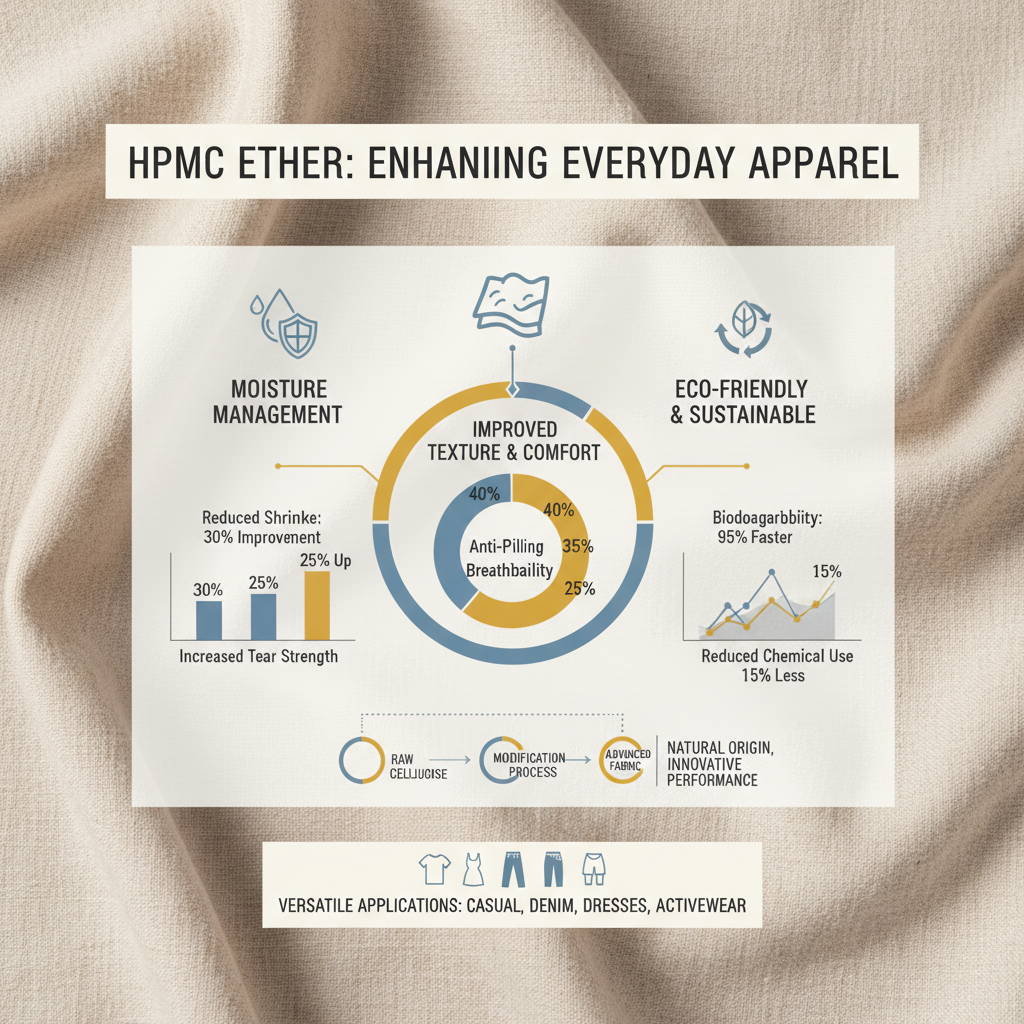
Several factors can influence the performance of HPMC in your application. These include pH, temperature, and the presence of other ingredients. HPMC is generally stable over a wide pH range, but extreme pH conditions can affect its solubility and viscosity. Temperature influences the dissolution rate and viscosity of HPMC solutions. Compatibility with other ingredients is also essential to avoid unwanted interactions. Proper formulation and processing are key to achieving optimal results. TJ HPMC’s technical team can provide guidance on optimizing HPMC performance in your specific application.
HPMC is a remarkably versatile polymer with applications spanning numerous industries. Its unique properties, combined with the quality and reliability offered by TJ HPMC, make it an ideal choice for optimizing product performance and achieving desired results. Explore our range of HPMC grades and contact our team for expert assistance in selecting the right product for your needs.
HPMC generally has a shelf life of 2-3 years when stored properly in a cool, dry place, away from direct sunlight and moisture. Proper packaging is essential to prevent moisture absorption, which can affect its performance. We recommend checking the manufacturer’s specifications for the exact shelf life of a particular grade. Signs of degradation include clumping, discoloration, or changes in viscosity. TJ HPMC ensures its products are packaged to maximize shelf life and maintain quality.
HPMC dissolves best in cold water with continuous stirring. Adding HPMC slowly while stirring vigorously prevents clumping. Warm water can sometimes lead to clumping, hindering dissolution. The dissolution process can be accelerated by using a high-shear mixer. Ensure complete dissolution before heating the solution to avoid incomplete hydration. TJ HPMC provides detailed dissolution guidelines for each of its products.
Yes, HPMC is generally recognized as safe (GRAS) by the FDA for use in various food applications. It is a non-toxic and non-allergenic material. However, it's important to use food-grade HPMC that meets the required purity standards. TJ HPMC offers food-grade HPMC that complies with relevant regulations and safety standards.
Hit enter to search or ESC to close