March 26, 2026
In the realm of industrial materials, E464 Hydroxypropyl Methylcellulose (HPMC) stands as a versatile polymer with applications spanning construction, pharmaceuticals, food, and more. This article provides an in-depth exploration of E464 HPMC, its properties, benefits, and diverse uses, particularly focusing on its role in various industrial processes. We’ll cover everything from its chemical composition to its practical applications, ensuring a clear understanding for professionals and enthusiasts alike.

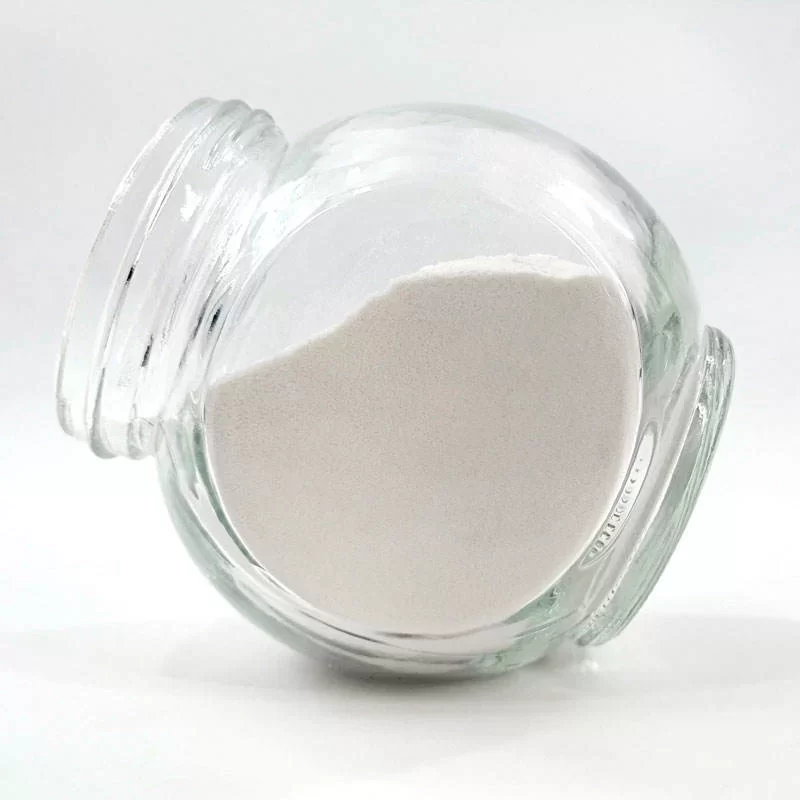
E464 Hydroxypropyl Methylcellulose is a cellulose ether derived from cellulose, a naturally occurring polymer found in plant cell walls. Through a chemical process, cellulose is modified with methyl and hydroxypropyl groups, resulting in a water-soluble polymer with unique properties. These modifications tailor the polymer’s characteristics, enabling it to function as a thickener, binder, film-former, and stabilizer. It is available in various grades with differing viscosities, allowing for customization to specific application requirements. You can explore the full range of HPMC products at our website.
Key Highlights: A versatile cellulose ether that enhances performance in a wide range of applications, offering thickening, binding, film-forming, and stabilizing properties.
E464 HPMC exhibits several key properties that make it invaluable in various industries. These include: water solubility, forming clear and viscous solutions; thermal gelation, where the solution thickens upon heating; surface activity, reducing surface tension; chemical stability, remaining stable across a wide pH range; and biocompatibility, making it suitable for pharmaceutical and food applications. The degree of substitution (DS) of methyl and hydroxypropyl groups influences these properties, allowing for tailored performance characteristics. These characteristics allow for its use in diverse formulations.
Important Properties:
• Excellent water solubility
• Thermal gelation properties
• Good chemical stability
• Biocompatible and non-toxic
The applications of E464 HPMC are incredibly diverse. In the construction industry, it's used as a thickener and water retention agent in cement-based mortars, tile adhesives, and self-leveling compounds, improving workability and preventing cracking. In pharmaceuticals, it serves as a binder in tablets, a coating agent, and a viscosity enhancer in liquid formulations. In the food industry, it's employed as a thickener in sauces, dressings, and desserts, as well as a stabilizer in ice cream and other frozen products. Its versatility makes it a critical ingredient in numerous formulations.
E464 HPMC is available in a range of grades, categorized primarily by viscosity. Viscosity, measured in milliPascal-seconds (mPa·s), determines the thickening power of the polymer. Common grades include those with low, medium, and high viscosity, each suited for different applications. Other specifications include the degree of substitution (DS) and particle size. The specific grade chosen will depend on the desired functionality and the requirements of the final product. For detailed specifications and to find the right grade for your needs, visit our product page.
Selecting a reliable supplier of E464 HPMC is crucial for ensuring product quality and consistency. Look for suppliers with robust quality control processes, adherence to industry standards (like food grade or pharmaceutical grade certifications), and a proven track record of supplying high-purity products. Consider factors like lead times, technical support, and pricing. TJHPMC is committed to providing high-quality E464 HPMC and exceptional customer service.
E464 Hydroxypropyl Methylcellulose is an indispensable polymer with a wide spectrum of applications. Its unique properties contribute to enhanced performance across numerous industries, making it a key ingredient in countless products. By understanding its characteristics and selecting a reputable supplier, you can unlock the full potential of this versatile material.
E464 HPMC should be stored in a cool, dry place, protected from direct sunlight and moisture. Exposure to humidity can cause clumping and affect its performance. It's best to keep it in its original, sealed container to prevent contamination. Proper storage ensures the product retains its quality and functionality over its shelf life. Avoid storing near strong oxidizing agents or other incompatible materials.
Yes, E464 HPMC is generally recognized as safe (GRAS) for use in food products by regulatory bodies like the FDA. It is non-toxic and does not pose a health risk when used within specified limits. However, it's essential to use a food-grade HPMC that meets the necessary purity standards. Always refer to the manufacturer's specifications and regulatory guidelines to ensure compliance.
Viscosity is a key parameter that dictates the thickening ability of E464 HPMC. Higher viscosity grades provide greater thickening power and are suitable for applications requiring substantial viscosity modification, such as sauces and adhesives. Lower viscosity grades are preferred when a less pronounced thickening effect is desired, like in pharmaceutical suspensions. The correct viscosity grade depends on the specific formulation and desired product characteristics.
While both HPMC and other cellulose ethers (like methylcellulose (MC) and carboxymethylcellulose (CMC)) are derived from cellulose, they differ in their chemical modifications and resulting properties. HPMC offers a balance of properties, including good water solubility, thermal gelation, and film-forming ability. MC is less water-soluble and doesn't exhibit thermal gelation, while CMC is anionic and has different solubility and compatibility characteristics. Choosing the right cellulose ether depends on the specific application requirements.
Hit enter to search or ESC to close