March 06, 2026
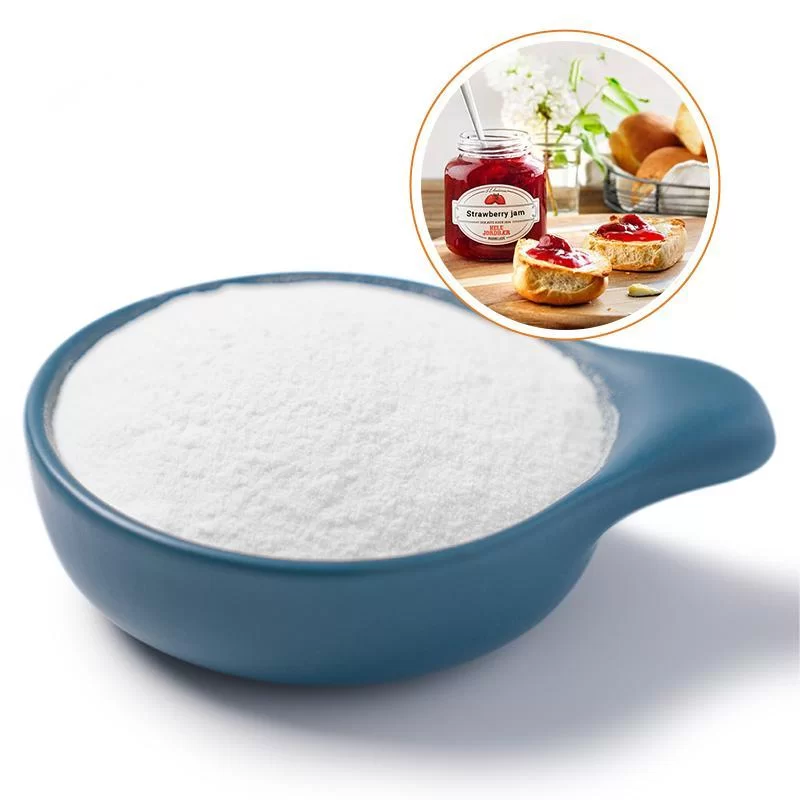
Hydroxypropyl methylcellulose (HPMC) is a versatile cellulose ether derived from cellulose. Widely used across numerous industries, from construction to pharmaceuticals and food, HPMC's unique properties make it an invaluable ingredient. This article will provide a detailed overview of HPMC, its applications, benefits, and how TJ HPMC provides high-quality solutions for diverse industrial needs. Understanding the intricacies of HPMC is key to optimizing its performance and achieving desired outcomes in various applications.
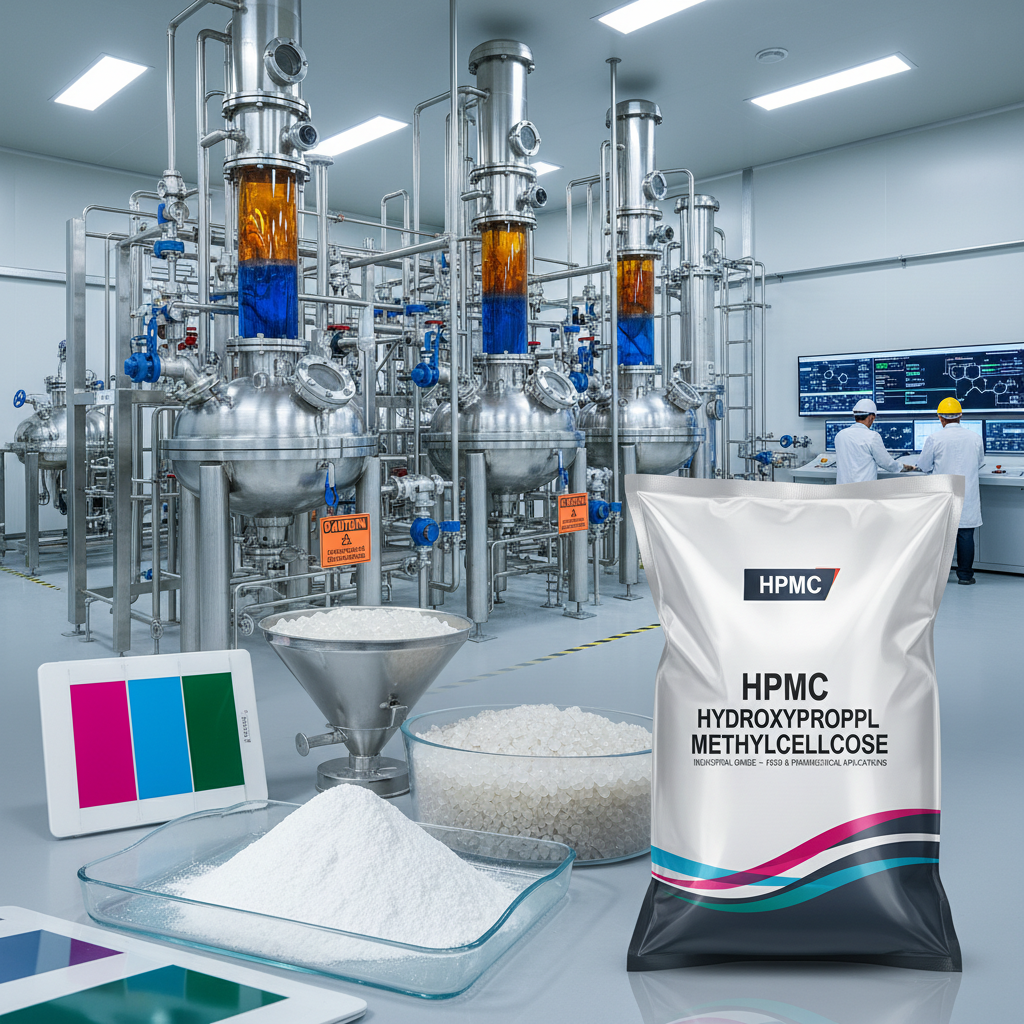
HPMC is a non-ionic, water-soluble polymer produced by chemically modifying cellulose. This modification introduces hydroxypropyl and methyl groups to the cellulose backbone, conferring a range of beneficial properties. These include thickening, binding, film-forming, suspension, and surface-active properties. The degree of substitution (DS) of these groups dictates the characteristics and performance of the final HPMC product. HPMC is known for its excellent thermal gelation properties – meaning it forms a gel when heated, and reverts to a liquid when cooled.
Key Highlights: HPMC is a non-ionic, water-soluble polymer with excellent thermal gelation properties, making it suitable for a wide range of applications.
HPMC finds widespread application across various industries. In the construction industry, it’s a key ingredient in tile adhesives, cement-based plasters, and self-leveling compounds, improving workability and water retention. The pharmaceutical industry utilizes HPMC as a binder, film coating agent, and controlled-release matrix in tablets and capsules. In the food industry, it acts as a thickener, stabilizer, and emulsifier in products like sauces, dressings, and baked goods. TJ HPMC caters to these diverse applications with tailored HPMC grades for optimal performance.
Industry Applications:
• Construction: Tile Adhesives, Plasters
• Pharmaceutical: Tablets, Capsules, Coatings
• Food: Sauces, Dressings, Baked Goods
HPMC is available in a range of grades, categorized primarily by viscosity, particle size, and degree of substitution. Viscosity, measured in mPa.s, dictates the thickening power of the HPMC. Particle size influences its dissolution rate. The degree of substitution affects its water solubility and gelation properties. TJ HPMC provides various grades to meet specific application requirements, ensuring optimal performance and processability.
Choosing TJ HPMC offers several key benefits. Our HPMC products are manufactured under stringent quality control standards, ensuring consistent performance and purity. We offer a wide range of grades to meet diverse application needs, and our technical support team provides expert guidance to help you select the optimal HPMC grade for your specific requirements. We also prioritize sustainable manufacturing processes and responsible sourcing.
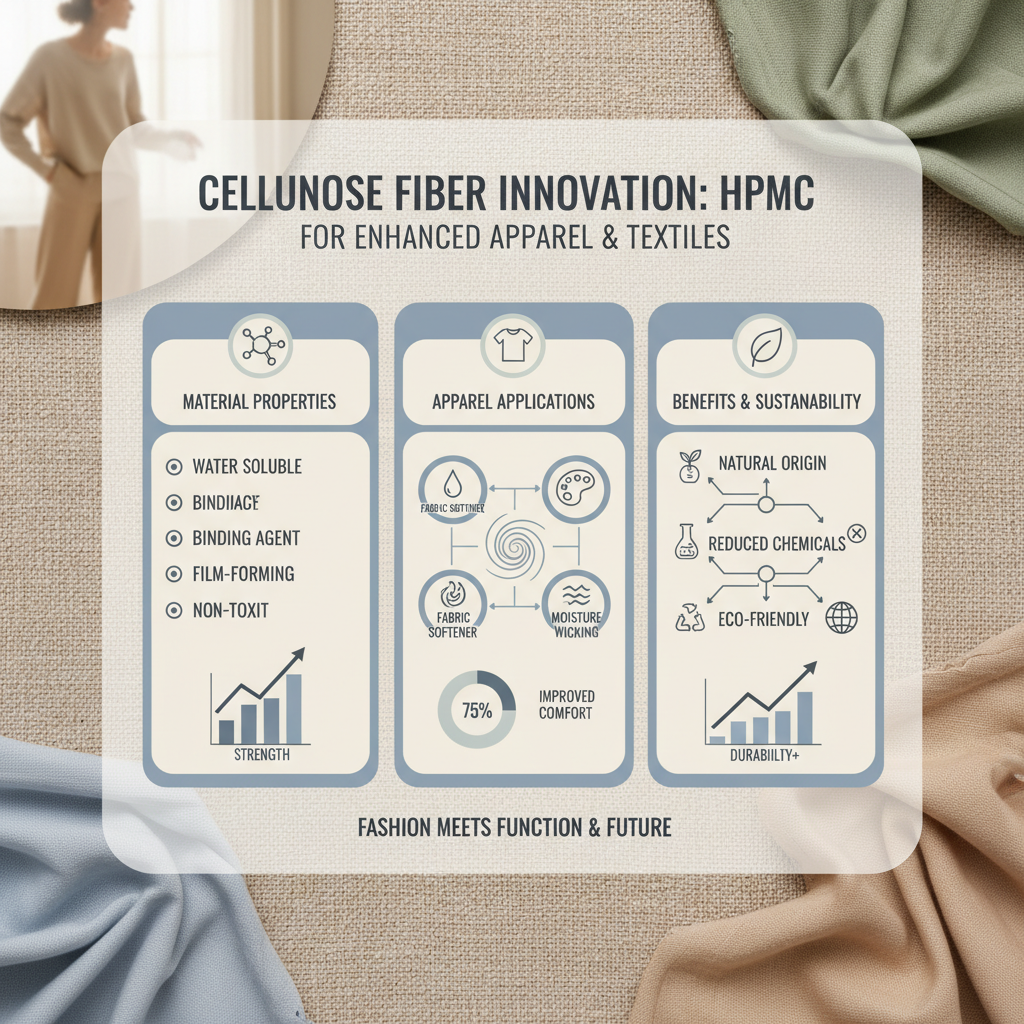
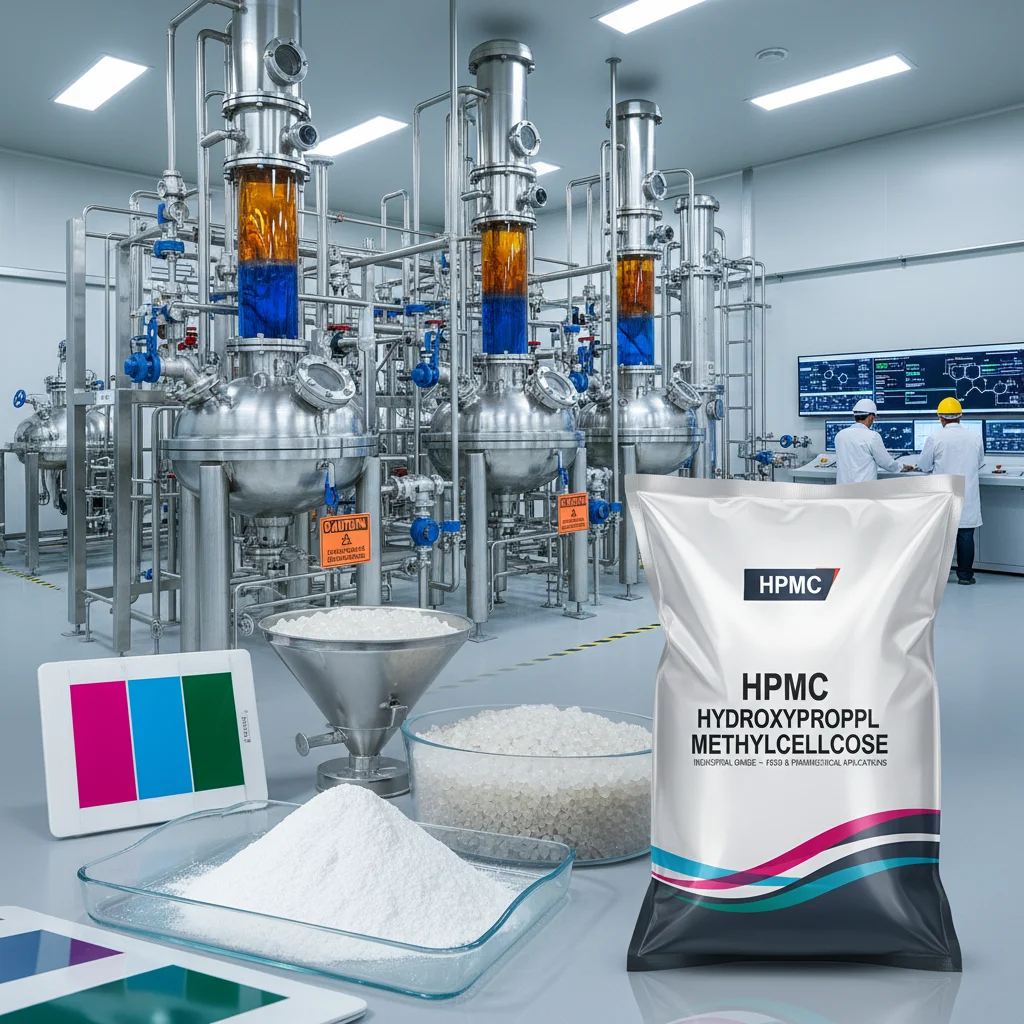
Proper storage and handling of HPMC are essential to maintain its quality and performance. HPMC should be stored in a cool, dry place, away from direct sunlight and moisture. Keep containers tightly closed when not in use to prevent moisture absorption. Avoid excessive dusting and handle with care to prevent contamination. Follow the safety guidelines provided in the Material Safety Data Sheet (MSDS).
TJ HPMC provides high-quality HPMC solutions tailored to diverse industrial applications. From construction to pharmaceuticals and food, our range of grades and expert technical support empower you to optimize your formulations and achieve superior results. Contact us today to discover how TJ HPMC can enhance your products and processes.
Generally, HPMC has a shelf life of 2-3 years when stored properly in a cool, dry environment, away from direct sunlight and moisture. However, it's always recommended to check the specific product's certificate of analysis (COA) for the manufacturer's stated shelf life. Over time, HPMC can absorb moisture, which can affect its viscosity and performance. Regular testing of key parameters is advisable, especially for long-term storage.
Yes, HPMC is generally recognized as safe (GRAS) by the FDA for use in food applications, within specified limits. It's widely used as a thickener, stabilizer, and emulsifier in various food products. However, it's crucial to use HPMC grades specifically designated for food use, meeting the purity and regulatory requirements for food additives. Always refer to local regulations and guidelines regarding the permissible levels of HPMC in specific food categories.
HPMC significantly enhances the water retention of construction materials like tile adhesives and cement-based plasters. It does this by forming a network of fibers that traps water molecules, preventing rapid evaporation. This extended water retention allows for better hydration of the cement, improved workability, and enhanced adhesion strength. The amount of HPMC used directly impacts the water retention capacity, and optimal dosage must be determined based on the specific formulation.
While both HPMC and MC are cellulose ethers, they differ in their chemical structure and properties. HPMC contains both methyl and hydroxypropyl groups, giving it improved water solubility, thermal gelation properties, and broader compatibility with other ingredients. MC, lacking the hydroxypropyl group, is generally less water-soluble and exhibits different thickening characteristics. HPMC is often preferred in applications requiring higher clarity, stability, and controlled release.
Hit enter to search or ESC to close