March 08, 2026
Hydroxypropyl methylcellulose (HPMC) is a versatile polymer used across a wide range of industries, from construction to pharmaceuticals. Among various grades, HPMC 2910 stands out due to its specific viscosity and properties. This article will provide an in-depth look at HPMC 2910, its applications, benefits, and key considerations for optimal use. We'll explore how its unique characteristics make it a valuable component in numerous formulations, and why choosing a reputable supplier like TJ HPMC is crucial for consistent quality and performance.

HPMC 2910 is a non-ionic, water-soluble polymer derived from cellulose. The '2910' refers to its approximate viscosity when measured in a 2% aqueous solution at 20°C, using a Brookfield viscometer. Specifically, it has a viscosity range of 26.5 - 30.5 mPa·s. This viscosity is crucial as it dictates the thickening and water retention properties of the material. It’s a white or off-white powder, odorless, and tasteless, making it suitable for a wide variety of applications where these characteristics are important. The polymer’s unique properties stem from its ability to dissolve in water, forming clear and stable solutions. It is known for its thickening, binding, film-forming, and suspending capabilities. TJ HPMC offers consistently high-quality HPMC 2910, ensuring reliable performance in your applications.
Key Highlights: HPMC 2910 exhibits excellent thermal gelation properties, meaning its viscosity increases as temperature rises. This is especially important in applications like tile adhesives and cement-based products.
The versatility of HPMC 2910 makes it a valuable ingredient in numerous sectors. In the construction industry, it’s widely used in tile adhesives, cement mortars, and self-leveling compounds to improve workability, adhesion, and water retention. Pharmaceutical applications include tablet coatings, controlled-release matrices, and as a viscosity-increasing agent in liquid formulations. The food industry utilizes HPMC 2910 as a thickener, stabilizer, and emulsifier in sauces, desserts, and bakery products. Personal care products, like shampoos and lotions, also benefit from its thickening and film-forming properties. Furthermore, it plays a crucial role in paints and coatings, providing enhanced stability and application characteristics. The consistent quality of TJ HPMC’s HPMC 2910 ensures optimal performance across these diverse applications.
Key Application Areas:
• Construction: Tile Adhesives, Mortars, Rendering
• Pharmaceutical: Tablet Coatings, Controlled-Release Formulations
• Food: Sauces, Bakery Products, Desserts
• Personal Care: Shampoos, Lotions, Creams
HPMC comes in various viscosity grades, each suited for specific applications. Understanding the differences is crucial for achieving the desired product characteristics. Lower viscosity grades (e.g., HPMC 2208) are ideal for thinner formulations and applications requiring easy flow, while higher viscosity grades (e.g., HPMC 3105) provide greater thickening and suspension capabilities. HPMC 2910 strikes a balance, offering good thickening properties without excessive viscosity. The choice depends on the required flow behavior, suspension stability, and overall formulation needs. TJ HPMC offers a comprehensive range of HPMC grades to meet diverse requirements.
Utilizing HPMC 2910 in your formulations provides a multitude of benefits. Its excellent water retention capacity prevents premature drying, ensuring optimal workability and adhesion. The thermal gelation property enhances performance in temperature-sensitive applications. It improves the consistency and texture of products, leading to a better end-user experience. Furthermore, HPMC 2910 acts as a stabilizer, preventing phase separation and maintaining product homogeneity. Choosing a reliable supplier like TJ HPMC guarantees consistent quality and predictable performance.
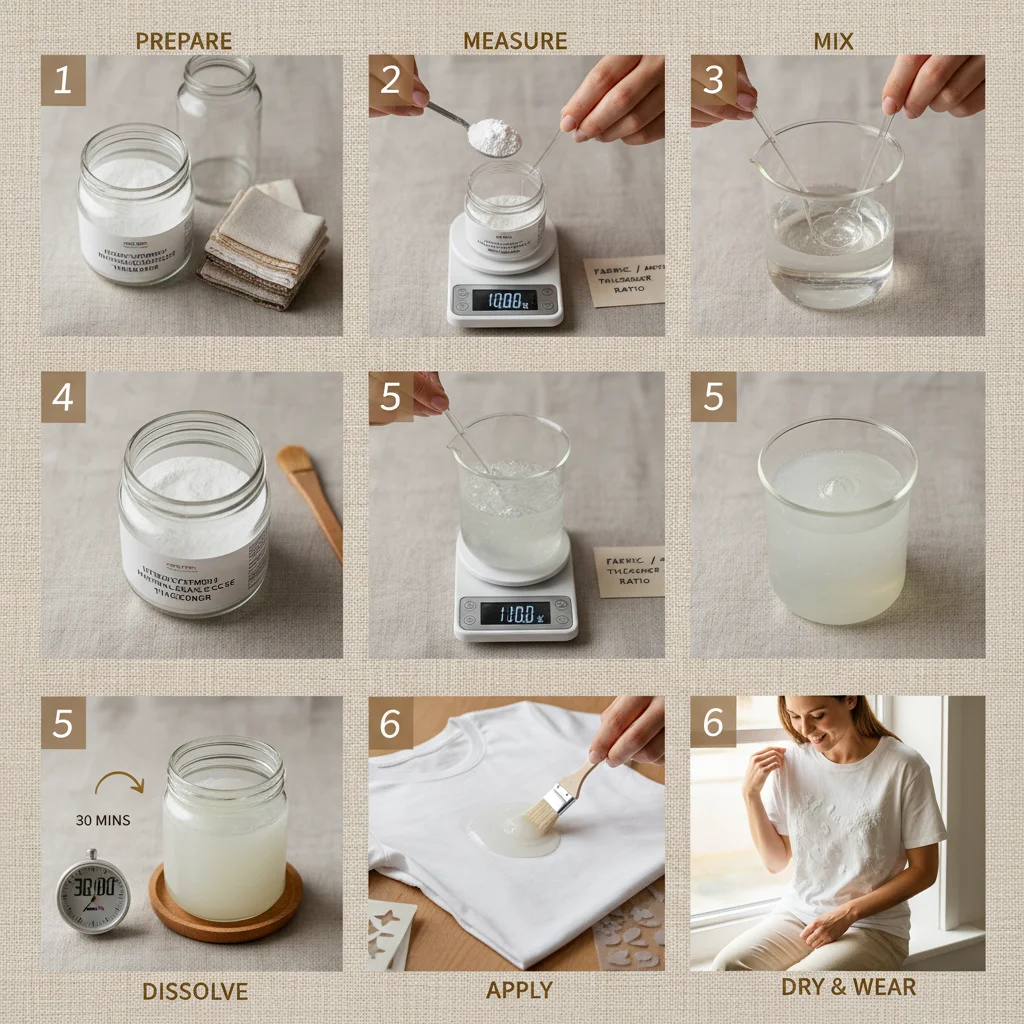
When working with HPMC 2910, proper storage is essential to maintain its functionality. Store the powder in a cool, dry place, protected from direct sunlight and moisture. Exposure to humidity can lead to clumping and reduced effectiveness. When dispersing HPMC 2910, it’s crucial to use a mixing method that avoids clumping. Slowly adding the powder to water while stirring vigorously is recommended. It's also advisable to avoid using metal containers or tools, as they can sometimes catalyze degradation. TJ HPMC provides detailed technical support and guidelines to ensure successful implementation.
Choosing high-quality HPMC 2910 from a trusted supplier like TJ HPMC is crucial for achieving optimal performance in a wide range of applications. Its versatile properties, including thickening, water retention, and thermal gelation, make it an indispensable ingredient in construction, pharmaceuticals, food, and more. By understanding its characteristics and following proper storage and handling guidelines, you can unlock the full potential of this valuable polymer.
When stored correctly in a cool, dry environment, HPMC 2910 typically has a shelf life of at least 2 years. However, it’s always best to check the manufacturer’s certificate of analysis (COA) for specific expiration details. Proper storage is critical to prevent moisture absorption and maintain the product's integrity. Over time, exposure to humidity can reduce its effectiveness and impact its viscosity.
To avoid clumping, slowly add the HPMC 2910 powder to vigorously stirred water. Avoid pouring the powder in all at once. Using warm water can also help accelerate the dissolution process. A pre-mix with a small amount of solvent, like glycerin, can further improve dispersion. Avoid using metal containers, as they may react with the polymer. Ensure complete hydration before incorporating the solution into your final formulation.
Generally, HPMC 2910 exhibits good compatibility with a wide range of additives, including pigments, fillers, and other polymers. However, it's always recommended to conduct small-scale compatibility testing before incorporating it into a large-scale formulation. Incompatibilities can sometimes lead to precipitation or reduced performance. Factors like pH and ionic strength can also influence compatibility.
Choosing a reputable supplier is crucial for ensuring consistent quality and reliable performance. TJ HPMC is a leading manufacturer and supplier of HPMC 2910, offering high-quality products and excellent technical support. Look for suppliers with ISO certifications and a strong track record of customer satisfaction.
Hit enter to search or ESC to close