March 10, 2026
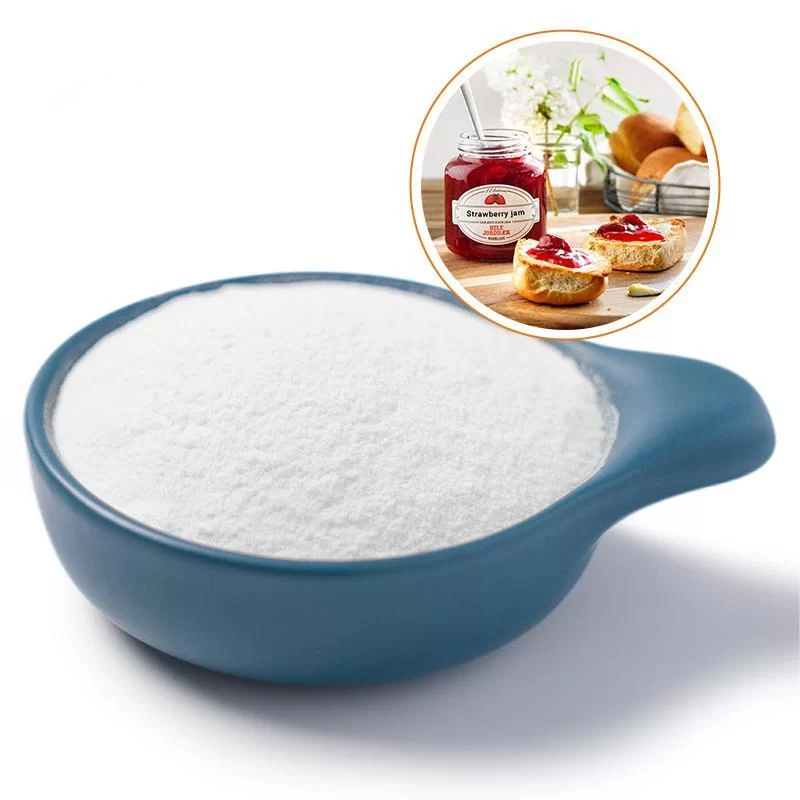
Hydroxypropyl methylcellulose (HPMC) gel is a versatile ingredient utilized across numerous industries, including pharmaceuticals, cosmetics, food, and construction. Known for its thickening, binding, film-forming, and water retention capabilities, HPMC gel is a crucial component in various formulations. This article provides a detailed overview of HPMC gel, its properties, applications, and the benefits of choosing a reliable supplier like TJ HPMC. Understanding the nuances of HPMC gel is essential for optimizing product performance and ensuring consistent quality.

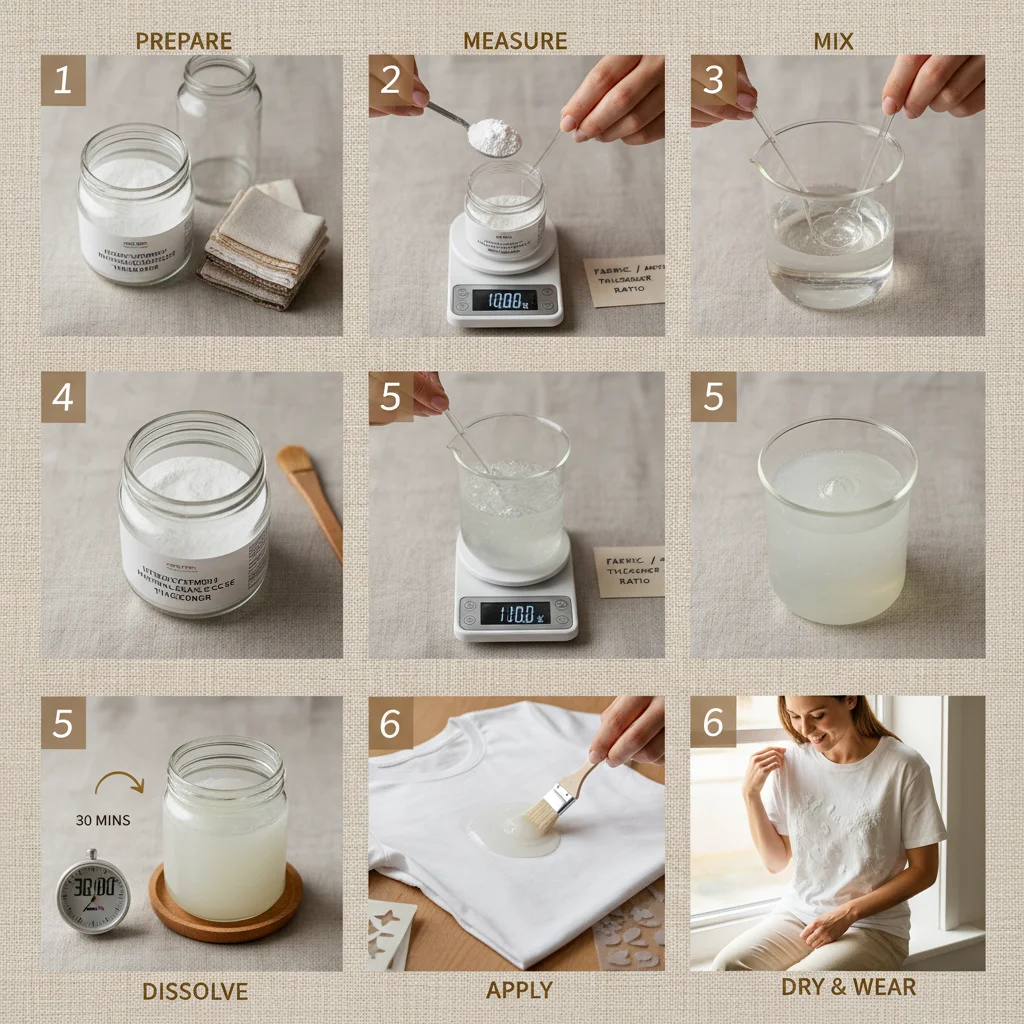
HPMC gel is created by dissolving hydroxypropyl methylcellulose in water. The resulting solution exhibits unique rheological properties, meaning its flow and deformation behavior are both viscous and elastic. This characteristic makes it ideal for applications requiring a stable gel structure. The gel’s viscosity can be adjusted by changing the concentration of HPMC, water temperature, and the grade of HPMC used. TJ HPMC offers a range of HPMC grades tailored to specific gelation requirements.
Key Benefits: Excellent thickening capabilities, outstanding film-forming properties, superior water retention, non-toxic, and biocompatible.
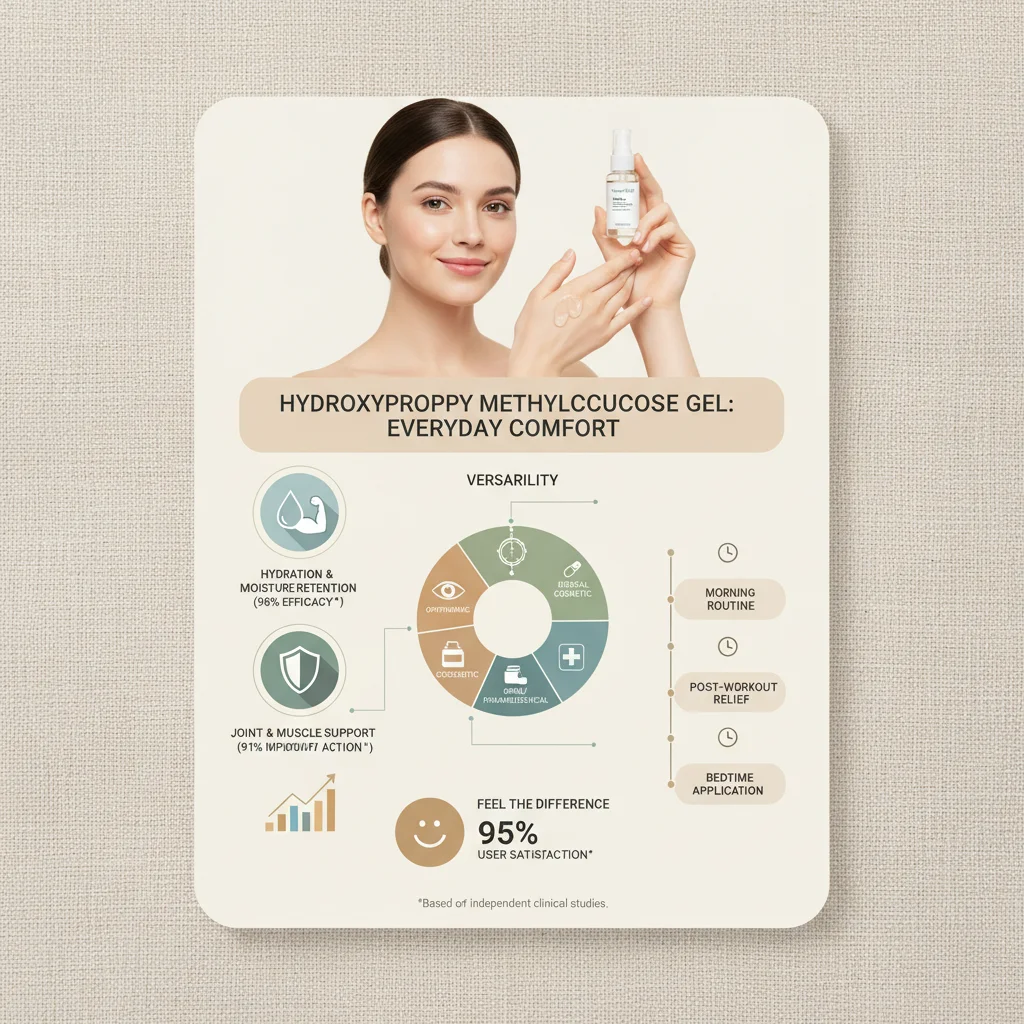
The versatility of HPMC gel extends to a broad spectrum of applications. In the pharmaceutical industry, it's utilized as a matrix agent for controlled drug release, ensuring sustained medication delivery. Cosmetically, it acts as a thickener, stabilizer, and film former in creams, lotions, and gels. Food manufacturers employ it as a thickener, emulsifier, and texture enhancer. Within construction, it’s a key component in tile adhesives and cement-based plasters, improving workability and adhesion. TJ HPMC provides HPMC gels for diverse industries and custom solutions.
Industry Applications:
• Pharmaceuticals: Controlled-release drug delivery systems
• Cosmetics: Creams, lotions, gels, and shampoos
• Food: Thickening and stabilizing agent in sauces and desserts
• Construction: Tile adhesives, cement-based plasters
HPMC gel is available in various grades, differing in molecular weight, hydroxypropyl content, and viscosity. These variations influence the gel's properties, such as its thermal gelation temperature, viscosity profile, and film-forming ability. Selecting the appropriate grade is crucial for achieving the desired performance characteristics in your application. TJ HPMC's technical team can assist you in choosing the optimal grade for your specific needs.
TJ HPMC is a leading manufacturer and supplier of high-quality hydroxypropyl methylcellulose. We offer a comprehensive range of HPMC grades to meet diverse application requirements. Our commitment to quality control, competitive pricing, and exceptional customer service sets us apart. We guarantee consistent product quality, reliable supply, and expert technical support. Partner with TJ HPMC and experience the difference.
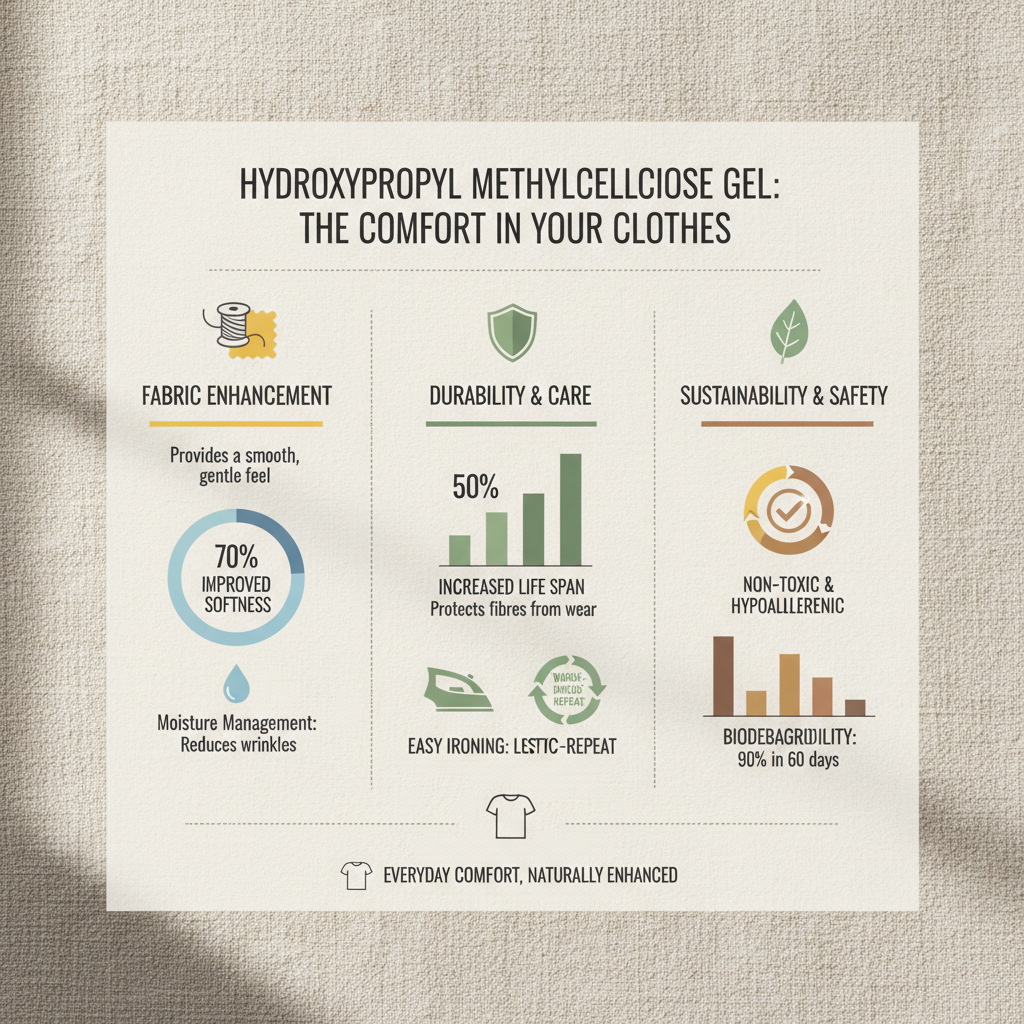
The viscosity of HPMC gel is influenced by several factors including the concentration of HPMC, the molecular weight of the HPMC grade, the water temperature, and the presence of other solutes. Increasing the HPMC concentration generally increases viscosity. Higher molecular weight HPMC grades also result in higher viscosity. Lower temperatures typically increase viscosity, while higher temperatures decrease it. Additives like salts can also affect viscosity. Careful control of these factors is crucial for achieving the desired gel consistency.
HPMC itself is considered relatively biodegradable, although the rate of biodegradation can vary depending on environmental conditions. It’s not readily biodegradable like some other polymers, but it can be broken down by microorganisms over time. The biodegradability of HPMC gel is a key advantage in applications where environmental impact is a concern.
The shelf life of HPMC gel depends on storage conditions. When stored in a cool, dry place, away from direct sunlight and contaminants, HPMC gel can remain stable for several years. However, it's important to protect it from moisture, as this can lead to clumping or degradation. Always refer to the manufacturer's Certificate of Analysis (CoA) for specific storage recommendations and expiry dates.
Yes, HPMC gel can be sterilized using various methods, including autoclaving, filtration, and irradiation. However, the sterilization method should be chosen carefully to avoid degrading the HPMC. Autoclaving can sometimes cause slight changes in viscosity, so it’s often recommended to use filtration for heat-sensitive applications. Always validate the sterilization process to ensure it doesn't compromise the gel's properties.
Hit enter to search or ESC to close