March 09, 2026
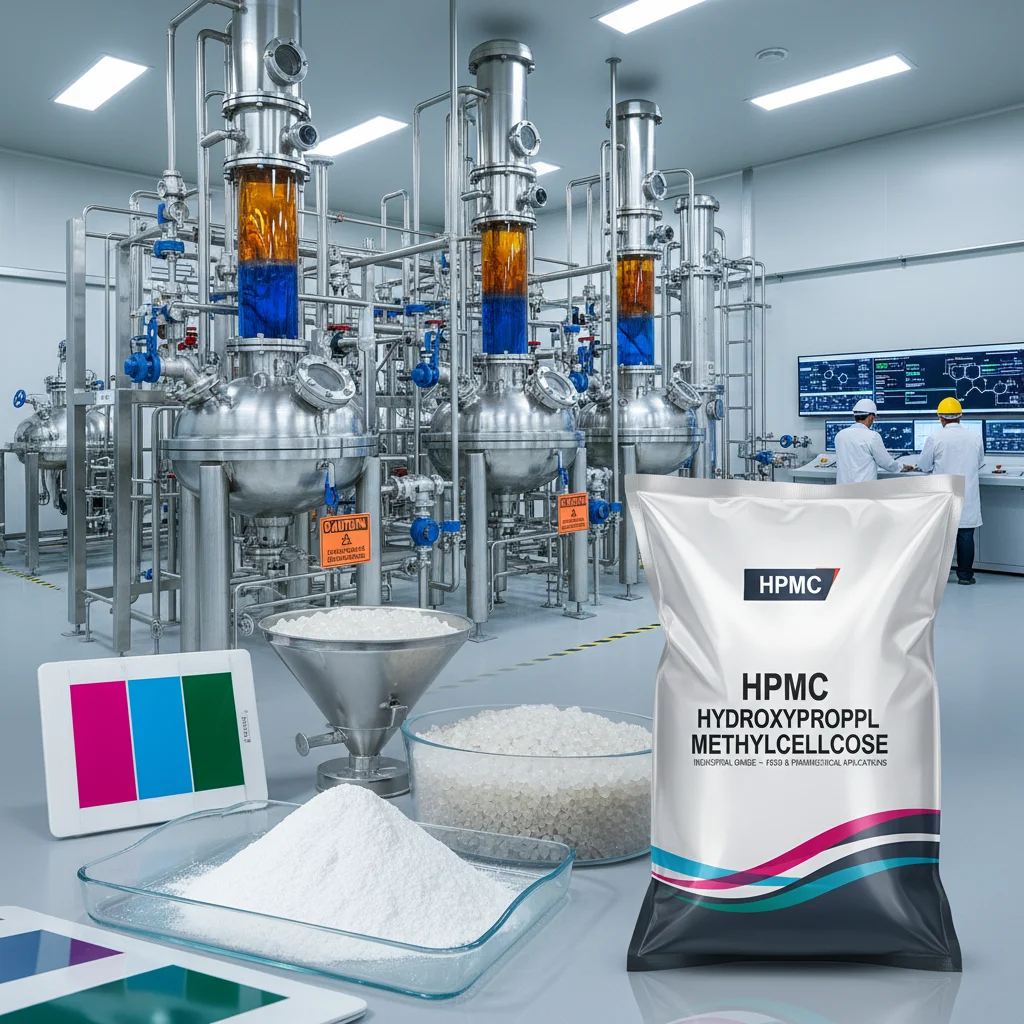
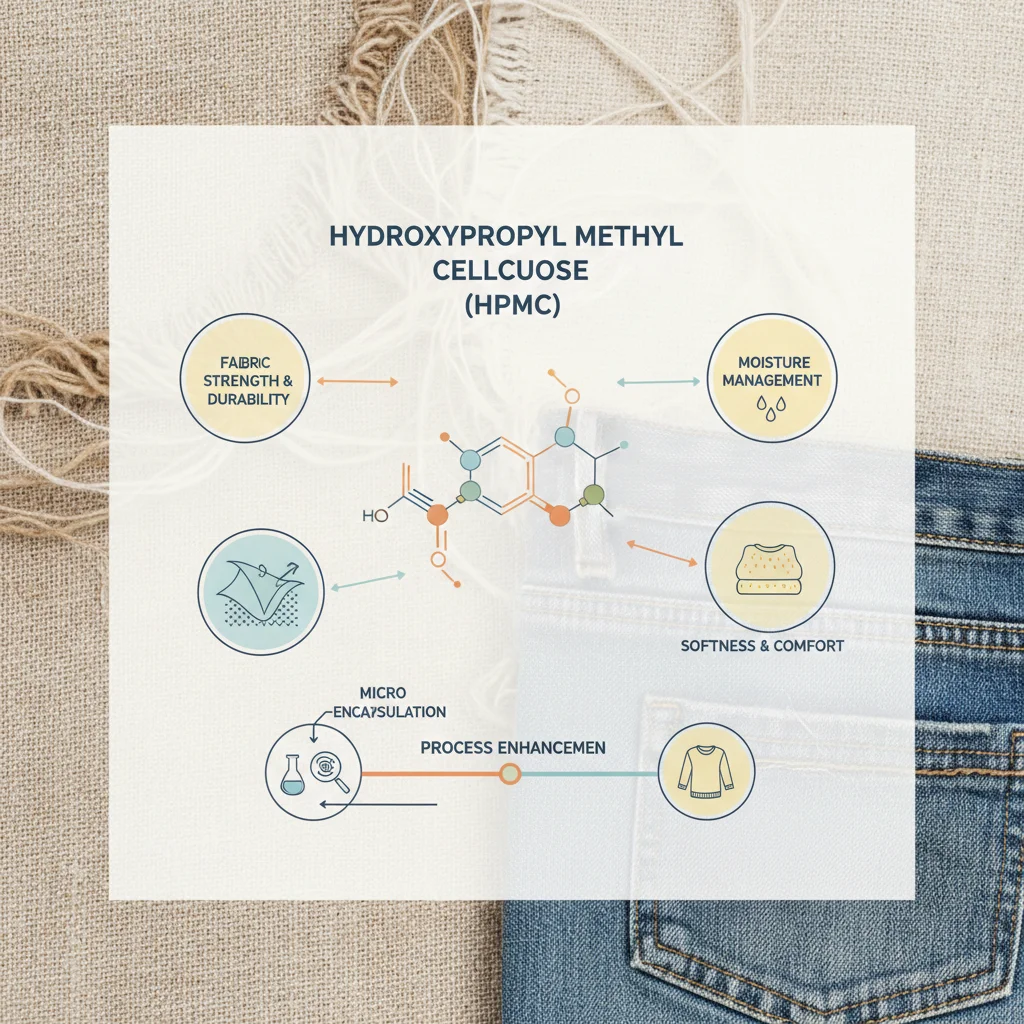
Hydroxypropyl methylcellulose (HPMC) is a versatile cellulose ether widely used across various industries, including construction, pharmaceuticals, food, and cosmetics. Among the different grades of HPMC, E5 stands out due to its specific viscosity range and performance characteristics. This article provides an in-depth look at hydroxypropyl methylcellulose E5, covering its properties, applications, benefits, and considerations for optimal use. Understanding these aspects is crucial for professionals seeking to leverage HPMC E5's unique capabilities in their respective fields.

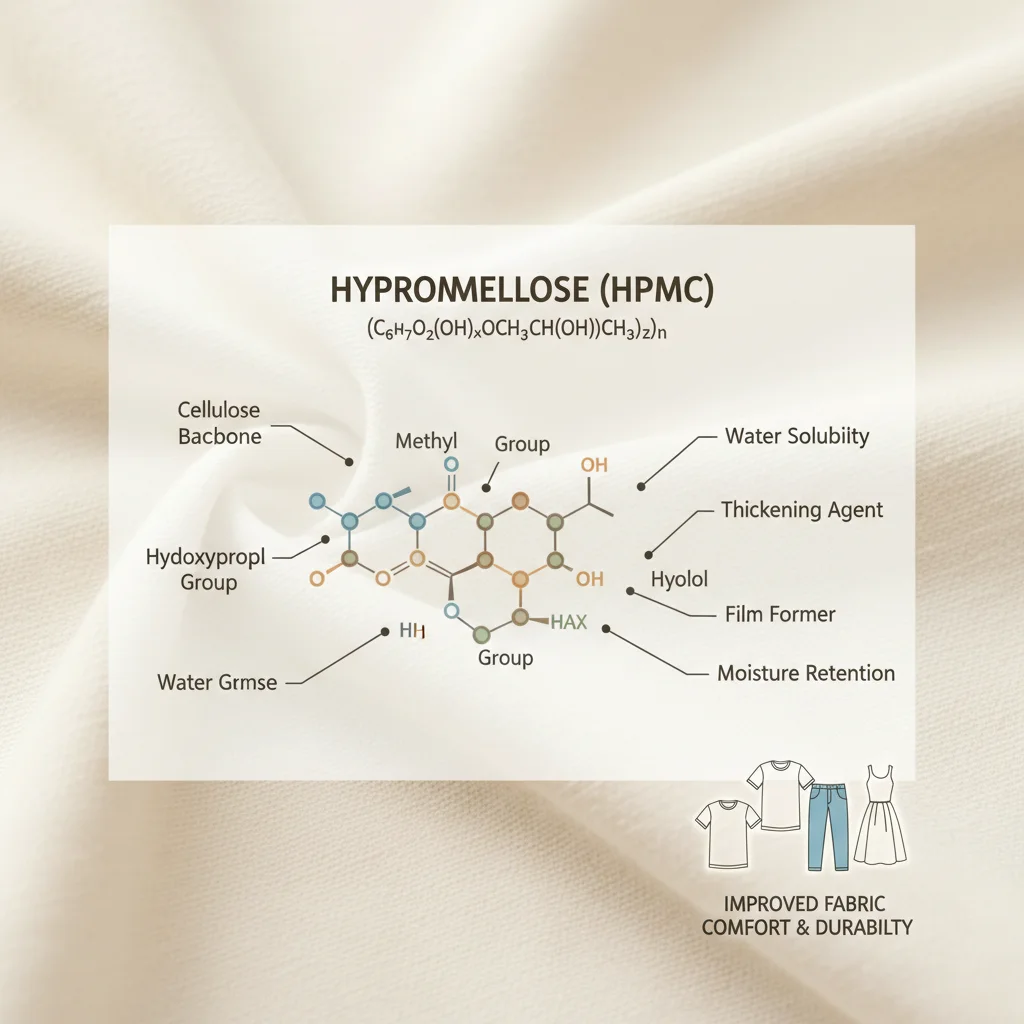
HPMC E5 is a non-ionic cellulose ether produced by chemically modifying cellulose. The 'E5' designation refers to its viscosity, measured in millipascal-seconds (mPa·s) using a Brookfield viscometer. HPMC E5 typically exhibits a viscosity of 5,000 mPa·s (2% solution at 20°C). This moderate viscosity provides a balance between thickening, water retention, and ease of handling. The manufacturing process involves carefully controlling the degree of substitution of hydroxypropyl and methyl groups on the cellulose backbone. This precise control ensures consistent performance and predictable behavior in applications. TJ HPMC offers a high-quality E5 grade suitable for a wide range of industrial needs.
Key Properties: Excellent water retention, thickening effect, film-forming capability, thermal gelation, and chemical stability.
The versatile properties of HPMC E5 make it indispensable in numerous applications. In the construction industry, it is widely used as a cement additive to improve workability, water retention, and adhesion. In pharmaceutical formulations, it acts as a binder, film coating agent, and controlled-release matrix. The food industry utilizes HPMC E5 as a thickener, stabilizer, and emulsifier in various food products. Cosmetics incorporate it for its thickening, binding, and film-forming properties in creams, lotions, and shampoos. Beyond these core applications, it also finds use in paints, coatings, ceramics, and paper production.
Industry-Specific Applications:
• Construction: Tile adhesives, cement mortars, self-leveling compounds.
• Pharmaceuticals: Tablet coatings, controlled-release formulations, eye drops.
• Food: Sauces, dressings, ice cream, bakery products.
• Cosmetics: Creams, lotions, shampoos, conditioners.
HPMC is available in a range of viscosity grades, each suited for specific applications. While E5 (5,000 mPa·s) offers a good balance, understanding the differences between grades is essential. Lower viscosity grades (e.g., E3, 3,000 mPa·s) provide thinner consistency and are ideal for applications where minimal thickening is required. Higher viscosity grades (e.g., E15, 15,000 mPa·s) offer greater thickening power and are used in applications demanding high viscosity and strong water retention. Selecting the appropriate grade depends on the desired rheological properties and the specific requirements of the formulation.
Utilizing HPMC E5 provides numerous benefits, including improved product performance, enhanced processability, and increased stability. Its excellent water retention capacity reduces water loss during application, leading to better adhesion and workability. The thickening effect contributes to improved consistency and prevents settling of solid particles. Furthermore, HPMC E5’s thermal gelation properties are valuable in applications requiring temperature-sensitive behavior. By incorporating HPMC E5 into your formulations, you can achieve superior product quality and enhanced performance.
While HPMC E5 is generally safe to handle, certain considerations are essential. Avoid inhaling the powder and use appropriate personal protective equipment, such as a dust mask. Store the material in a cool, dry place, protected from direct sunlight and moisture. When preparing solutions, add the HPMC E5 slowly to the water while stirring vigorously to prevent clumping. Ensure thorough mixing to achieve a homogenous solution. Always follow the manufacturer’s recommended dosage and handling instructions for optimal results. TJ HPMC provides detailed technical data sheets and support to assist with proper handling and application.
Hydroxypropyl methylcellulose E5 is a powerful additive offering a unique combination of properties beneficial across a wide spectrum of industries. By understanding its characteristics, applications, and proper handling techniques, you can leverage its full potential to enhance your products and processes. Choosing a reliable supplier like TJ HPMC ensures consistent quality and expert support.
HPMC E5 is readily soluble in cold water, forming a clear, viscous solution. However, solubility can be influenced by factors such as water temperature, pH, and the presence of salts. Higher water temperatures generally accelerate dissolution. Stirring vigorously during the addition of HPMC E5 to water is crucial to prevent clumping and ensure complete dissolution. It’s generally insoluble in organic solvents like alcohol and acetone.
HPMC E5 exhibits thermal gelation – its viscosity increases as temperature rises and decreases as temperature falls. This unique property is exploited in applications like controlled-release pharmaceuticals and temperature-responsive coatings. Above a certain temperature (gelation temperature), the solution transforms into a gel. This gelation is reversible; the solution returns to its liquid state upon cooling. The gelation temperature varies depending on the concentration of HPMC E5 and other formulation components.
HPMC E5 is generally compatible with a wide range of additives commonly used in various formulations. However, compatibility should be evaluated on a case-by-case basis, especially with certain salts, electrolytes, and surfactants. Some additives may affect the viscosity or stability of the HPMC E5 solution. Conducting small-scale compatibility tests before full-scale production is highly recommended.
Hit enter to search or ESC to close