February 26, 2026
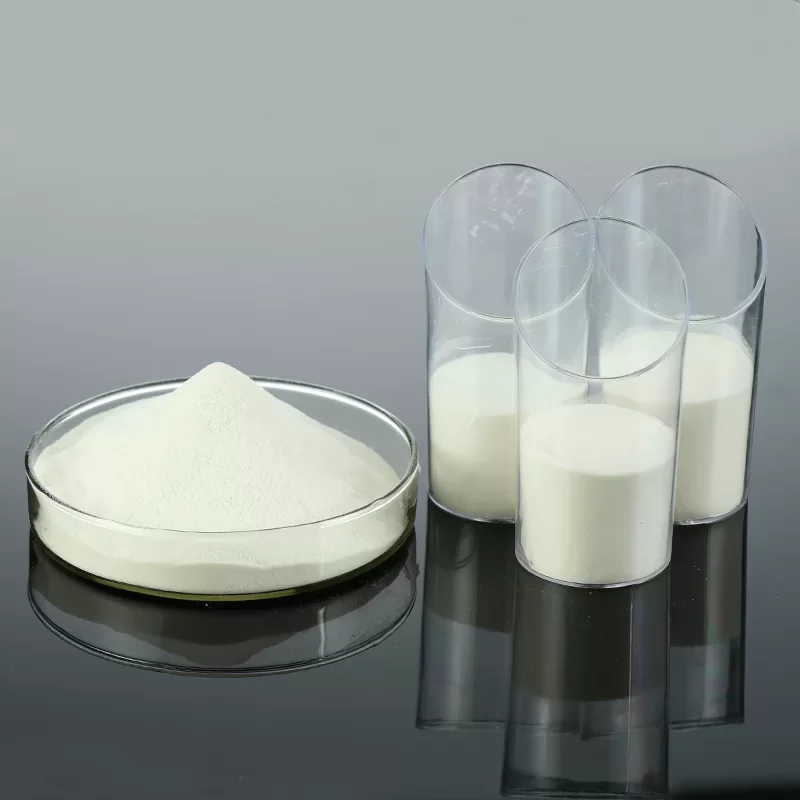
Hydroxypropyl Methylcellulose (HPMC) is a versatile cellulose ether widely used across numerous industries, including construction, pharmaceuticals, food, and cosmetics. Its thickening, binding, film-forming, and water-retention properties make it a crucial ingredient in many applications. If you’re looking to buy HPMC, understanding its grades, applications, and sourcing options is essential. This guide provides a detailed overview of HPMC, helping you make informed decisions.

HPMC is a non-ionic, water-soluble polymer derived from cellulose. It's manufactured by chemically modifying cellulose through methylation and hydroxypropylation. This process introduces methyl and hydroxypropyl groups onto the cellulose backbone, giving HPMC its unique properties. These properties include excellent thickening efficiency, surface activity, thermal gelation, and biocompatibility. Its ability to control viscosity, improve stability, and enhance product performance makes it indispensable in various formulations.
HPMC's diverse properties lend themselves to a wide range of applications. In the construction industry, it's a key component in tile adhesives, cement mortars, and self-leveling compounds, improving workability and adhesion. In pharmaceuticals, it acts as a binder, film-coating agent, and controlled-release matrix in tablets and capsules. The food industry utilizes HPMC as a thickener, stabilizer, and emulsifier in sauces, desserts, and baked goods. Cosmetics also benefit from HPMC’s film-forming and thickening abilities in creams, lotions, and shampoos.
Key Highlights: HPMC’s versatility stems from its unique combination of properties, making it an essential ingredient in diverse industrial applications.
Not all HPMC is created equal. Different grades of HPMC are categorized based on their viscosity and degree of substitution. Viscosity, measured in centipoise (cP), determines the thickening power. Higher viscosity grades are used for applications requiring greater thickness, while lower viscosity grades are suitable for thinner formulations. The degree of substitution, referring to the amount of methyl and hydroxypropyl groups attached to the cellulose chain, impacts solubility, gelation temperature, and water retention. Selecting the appropriate grade is crucial for achieving optimal performance.
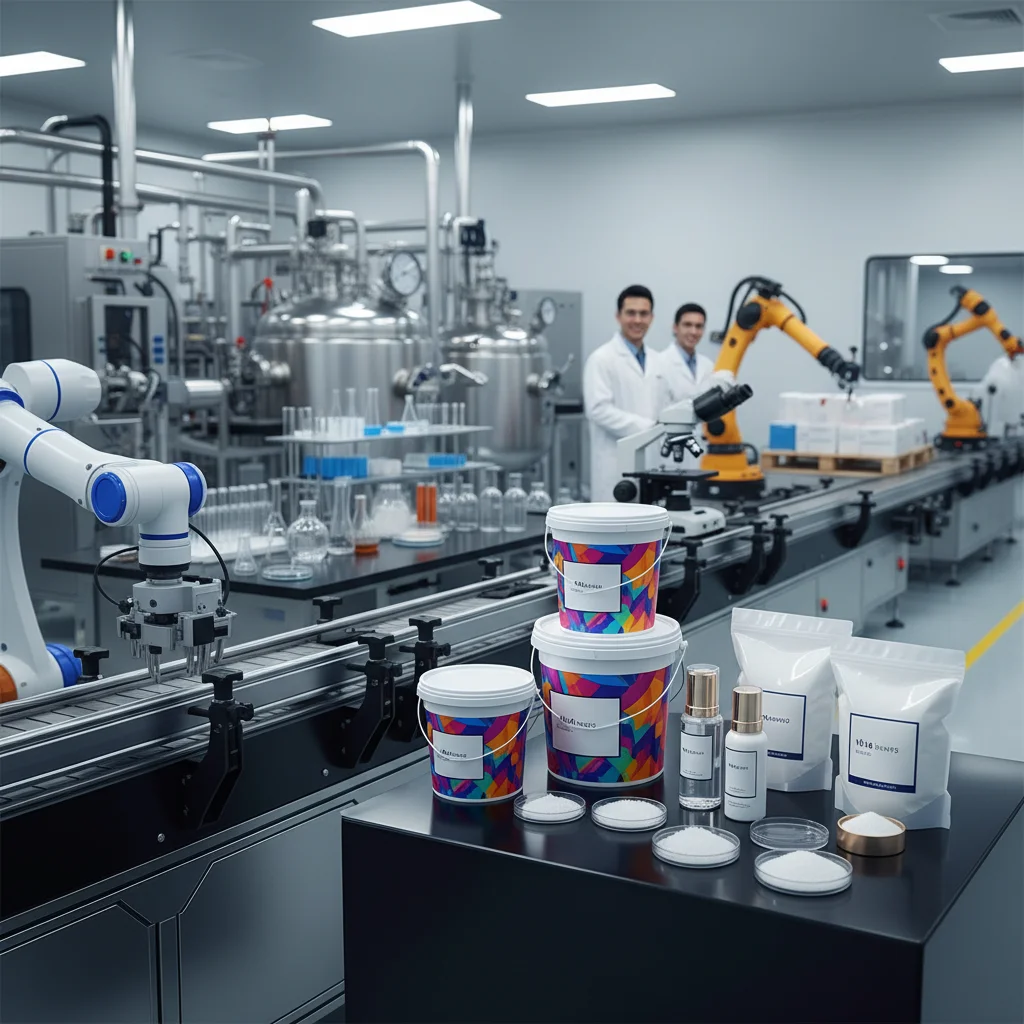
When sourcing HPMC for sale, consider the supplier's reputation, quality control measures, and ability to meet your specific requirements. Look for manufacturers with ISO certifications and a consistent track record of delivering high-quality products. Ensure the HPMC meets relevant industry standards (e.g., USP, EP, CP). It’s also important to evaluate pricing, lead times, and shipping options.
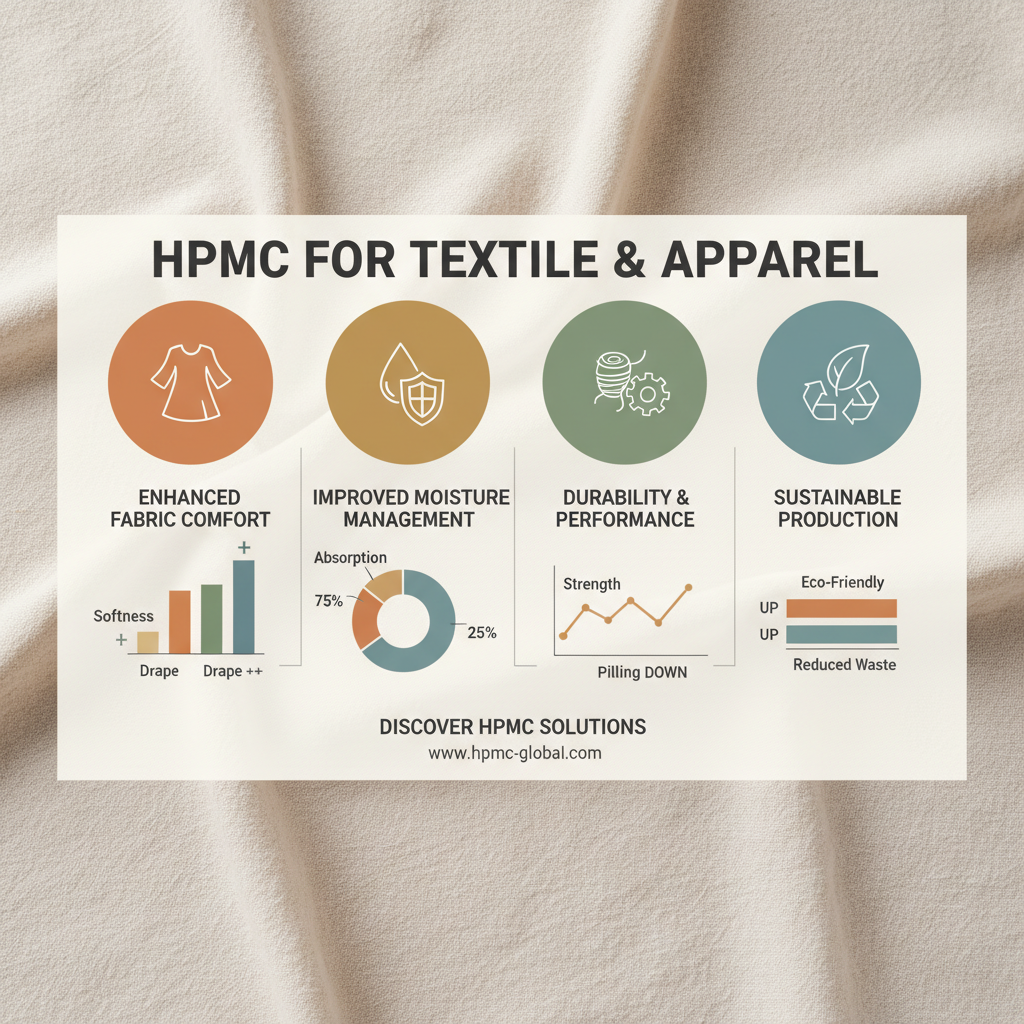
TJHPMC is a leading manufacturer and supplier of high-quality HPMC. We offer a comprehensive range of grades to suit diverse applications. Our commitment to quality, competitive pricing, and reliable delivery makes us a trusted partner for businesses worldwide. We pride ourselves on our stringent quality control processes and adherence to international standards. We offer customized solutions and expert technical support to help you optimize your formulations. Visit our website to learn more and request a quote.
Selecting the right HPMC grade and a reliable supplier like TJHPMC is crucial for achieving optimal results in your applications. By understanding the properties, applications, and sourcing considerations outlined in this guide, you can make informed decisions and ensure the success of your projects.
When stored properly in a cool, dry place, away from direct sunlight, HPMC generally has a shelf life of at least two years. However, it's best to follow the manufacturer's recommendations as indicated on the product packaging. Exposure to moisture and high temperatures can degrade the HPMC and affect its performance. Proper storage is crucial to maintain its quality and effectiveness.
Yes, HPMC is widely recognized as safe for use in food products. It's approved by regulatory bodies such as the FDA and EFSA as a food additive. It's non-toxic and doesn't contribute significant calories to food. However, it's essential to use food-grade HPMC that meets the required purity standards for food applications.
HPMC significantly improves the water retention of cement mortars. It forms a network structure that encapsulates water, preventing it from evaporating too quickly. This extended water retention allows for better hydration of the cement, resulting in improved strength, adhesion, and workability. It is particularly beneficial in hot and dry conditions where water loss is accelerated.
TJHPMC provides consistent high-quality HPMC, with meticulous quality control, and a wide range of grades. Our products offer excellent thickening properties, improve product stability, and ensure reliable performance. Plus, our experienced technical team is readily available to offer support and advice to optimize formulations.
Hit enter to search or ESC to close